

Murder Inc.

How Unregulated Industry Kills or Injures Thousands of Americans Every Year...And What You Can Do About It
I am thrilled to announce that I have signed a contract with Publish Your Purpose Press to Publish my 11th book Murder, Inc: How Unregulated Industry Kills or Injures Thousands of Americans Every Year...And What You Can Do About It. My book is in its final editing stages at this time and we expect publication in 2020.

For those who can’t wait, here’s a little taste of my book, drawn from the book’s jacket, including Erin Brockovich’s introduction. We will keep you posted as we get closer to publication.


Do you assume the products you buy, the food you eat, the medicines you take, and the cars you drive are safe? Think again. We’re exposed on a daily basis to life-threatening hazards of which we’re often unaware. From defective airbags that can explode and kill us to poisonous additives in food, we’re often the unknowing victims of corporate malfeasance and shamefully incompetent government oversight.

In this hard-hitting expose′, Dr. Gerald M. Goldhaber examines the outcomes when corporate profits trump public safety. He uncovers the dismal history of government regulatory agencies that are supposed to protect us, but instead appoint leaders who come and go from the same industries they’re tasked to regulate. And while our modern conveniences make life easier and more enjoyable than previous generations, we also face new dangers of the digital age. The hacking of autonomous cars, misuse of private information collected by smart devices, and renegade programming glitches in smart homes and offices are just a few scenarios confronting us in the near future. The companies who produce these innovations need to ensure they’re fail-safe, or face hefty lawsuits if and when things go wrong.

Principled disclosure of hidden hazards is an industry – and regulatory – necessity. We can only make informed choices and avoid needless injury and death when we know all the facts. Dr. Goldhaber recommends twelve steps to take control of our safety, and outlines a model of corporate responsibility and government regulation that balances public safety measures and company profits to the benefit of all.

A Note from Erin Brockovich

We have become comfortable and complacent, and I oftentimes think we believe that Superman, the EPA, or some agency that is in place will come and automatically fix the issues we are having. But we’re just now waking up and realizing that isn’t true. We have started to ask ourselves, “What can we do?” And that’s the thing—we can do something about it.
This book is a good first step, filled with explanations and stories, a great deal of information that we didn’t know, and a how-to road map for what it is we CAN do.

It has subtle humor and is told in a way that we can understand, giving us the tools we need to push forward and become aware that WE have to ask the questions and WE have to know how and where to go look, and not take for granted that someone has our backs.

In the new industry we live in—with all the technology we have—we are able to find out things faster than ever, to sort through information, to become more self-aware, and to protect ourselves better than ever. That is a good thing, but most won’t know how to use that technology for research. This book is a wonderful tool that can help people navigate their way through a plethora of information. We must learn that with technology and using our own motivation, we might just change companies and their way of doing business. By being the watchdog, being informed, and fighting back, we the consumers get more and more savvy to what is really going on.

I want to thank Gerry for writing this important book. Great job!


Erin


By Dr. Gerald Goldhaber April 30, 2026
Artificial intelligence (AI) is rapidly reshaping the landscape of healthcare, particularly in the realm of medical diagnosis. From analyzing medical images to predicting disease risk, AI-driven tools are increasingly being integrated into clinical workflows. While the potential benefits are substantial—improved accuracy, faster diagnoses, and expanded access to care—there are also meaningful risks that warrant careful scrutiny. Understanding both sides is essential for clinicians, policymakers, and patients alike.
By Dr. Gerald Goldhaber March 31, 2026
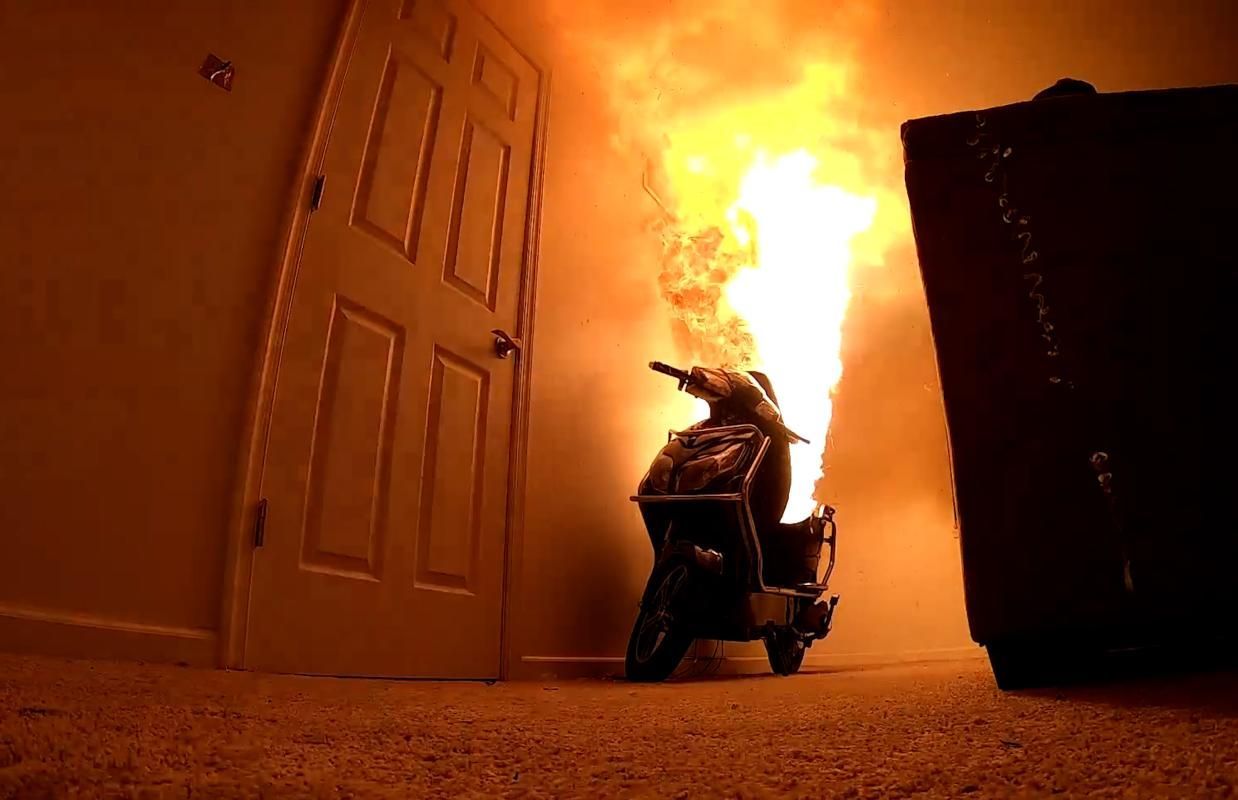
Lithium-ion batteries power much of modern life. From smartphones and laptops to e-bikes, power tools, and even home energy storage systems, these compact and efficient batteries are everywhere. But as their use has expanded, so too has a serious and often underestimated danger: the risk of fire. Lithium-ion battery fires are not like typical household fires. They burn hotter, spread faster, and can reignite even after appearing to be extinguished. These fires are caused by a process known as “thermal runaway,” where damage, overheating, or internal defects trigger a chain reaction inside the battery. Once this process begins, it can release flammable gases, cause explosions, and produce intense flames that are difficult to control.
By Dr. Gerald Goldhaber February 27, 2026
1. Weakening National Drinking Water Standards  In April 2024, the EPA finalized the first federally enforceable National Primary Drinking Water Rule (NPDWR) for six PFAS, including PFOA, PFOS, PFHxS, PFNA, HFPO-DA (GenX), PFBS, and mixtures of these chemicals. These rules established maximum contaminant levels (MCLs) and required monitoring and treatment timelines for public water systems. Under Trump's EPA, this landmark public health rule is being undone :
By Dr. Gerald Goldhaber January 27, 2026
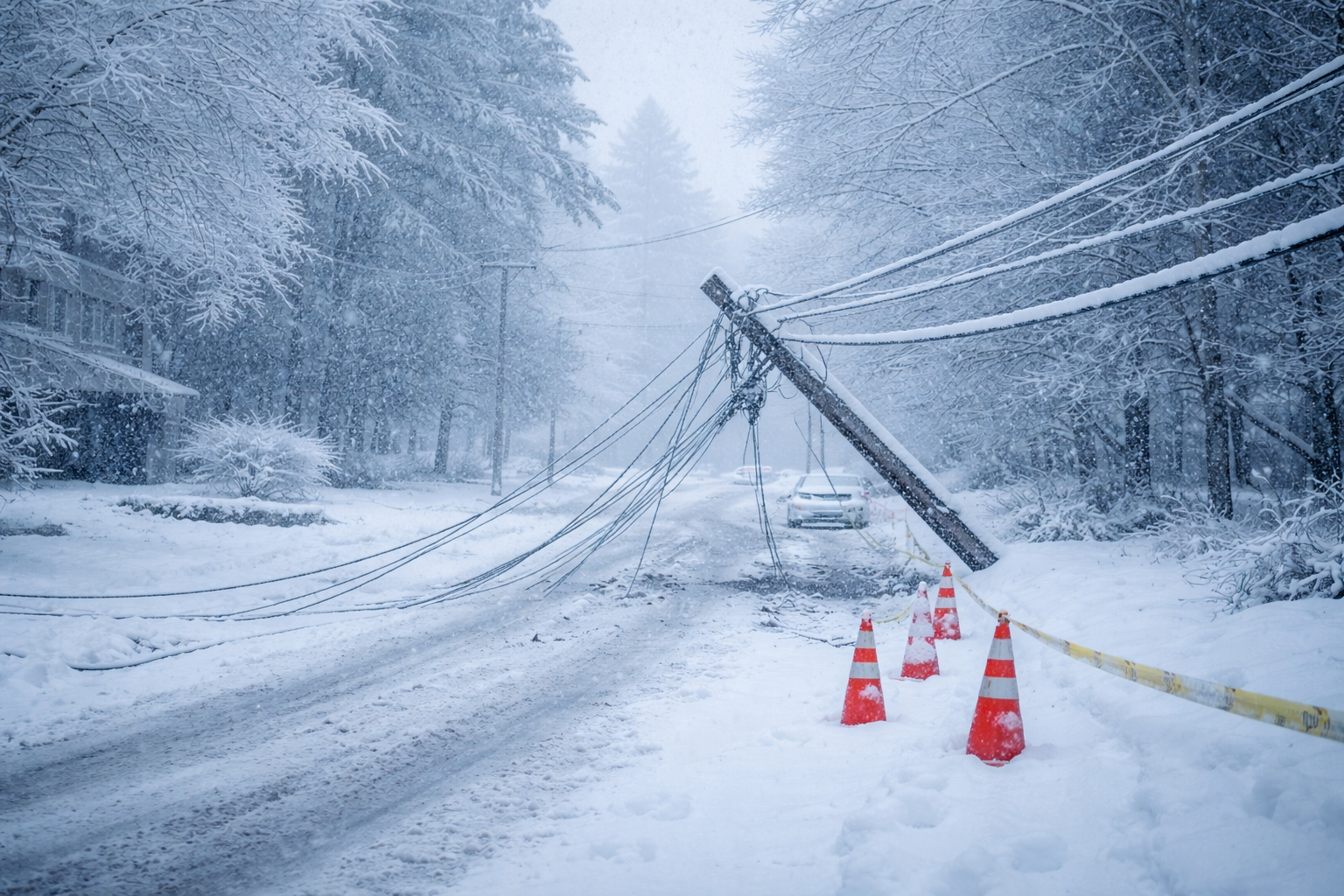
Winter in the Northern Hemisphere brings cold weather, snow, and often severe storms. These conditions can lead to power outages that last hours or even days. When electricity is lost and temperatures plummet, many households turn to alternative heating methods or portable power generators. While these actions are understandable, they can expose families to a perilous and often invisible threat: carbon monoxide (CO) poisoning . 
By Dr. Gerald Goldhaber November 24, 2025
As Thanksgiving approaches, kitchens across the country are about to come alive with the sounds and smells of holiday cooking. While this season brings family, gratitude, and plenty of delicious food, it also comes with a serious and often overlooked risk: foodborne illness. In the U.S., Salmonella and Listeria remain two of the most dangerous and persistent causes of food poisoning—especially during the holidays, when increased food preparation, crowded refrigerators, and large holiday meals create ideal conditions for bacterial growth.Whether you’re hosting your first Thanksgiving dinner or you’re a seasoned holiday chef, brushing up on a few key food safety practices can help you keep your loved ones healthy and your celebration memorable for all the right reasons.
By Dr. Gerald Goldhaber October 30, 2025
The race to develop autonomous vehicles (AVs) has reached a pivotal moment. Alphabet-owned Waymo, widely regarded as the frontrunner in the field, has rolled out fully driverless taxis in Phoenix, San Francisco, and Los Angeles, with plans to expand to additional cities. But as more Waymo vehicles hit public roads without human drivers, the question looms large: Are they truly safer than the people they’re replacing behind the wheel?
By Dr. Gerald Goldhaber October 13, 2025
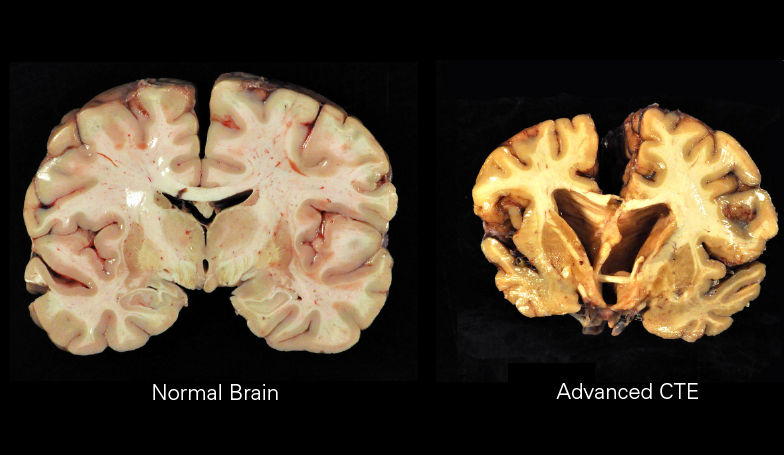
We are now in the middle of another football season, and the question, as asked every year: Is this sport safe enough for our high school, college, and professional athletes to play? Football has always been a violent sport of collision, glory, and growing concern. Over the last decade, research tying repetitive head impacts to chronic traumatic encephalopathy (CTE) has shaken parents, players, and the game’s governing bodies. The central realities are straightforward but sobering: repeated head impacts — both diagnosed concussions and the many “sub-concussive” blows players take — are linked to later-life brain pathology; helmets and add-ons can lower impact forces, but no helmet or cover has been shown to prevent CTE; and rule and culture changes that reduce the number and severity of head impacts are where the biggest gains lie.
By Dr. Gerald Goldhaber September 10, 2025
The Centers for Disease Control and Prevention (CDC) has long been viewed as the nation’s front-line defense against disease outbreaks, health emergencies, and public health threats. But today, the agency faces internal turmoil, political interference, and organizational confusion that experts warn could have dangerous consequences for the U.S. healthcare system—and for ordinary Americans.
By Dr. Gerald Goldhaber August 7, 2025
From July 3–4, 2025, Central Texas—especially Kerr County and the Guadalupe River basin—experienced catastrophic flash flooding that claimed over 130 lives, including children and staff at Camp Mystic. As grief and outrage settle, survivors and officials alike are questioning whether enough was done to warn those most at risk.
By Dr. Gerald Goldhaber July 9, 2025
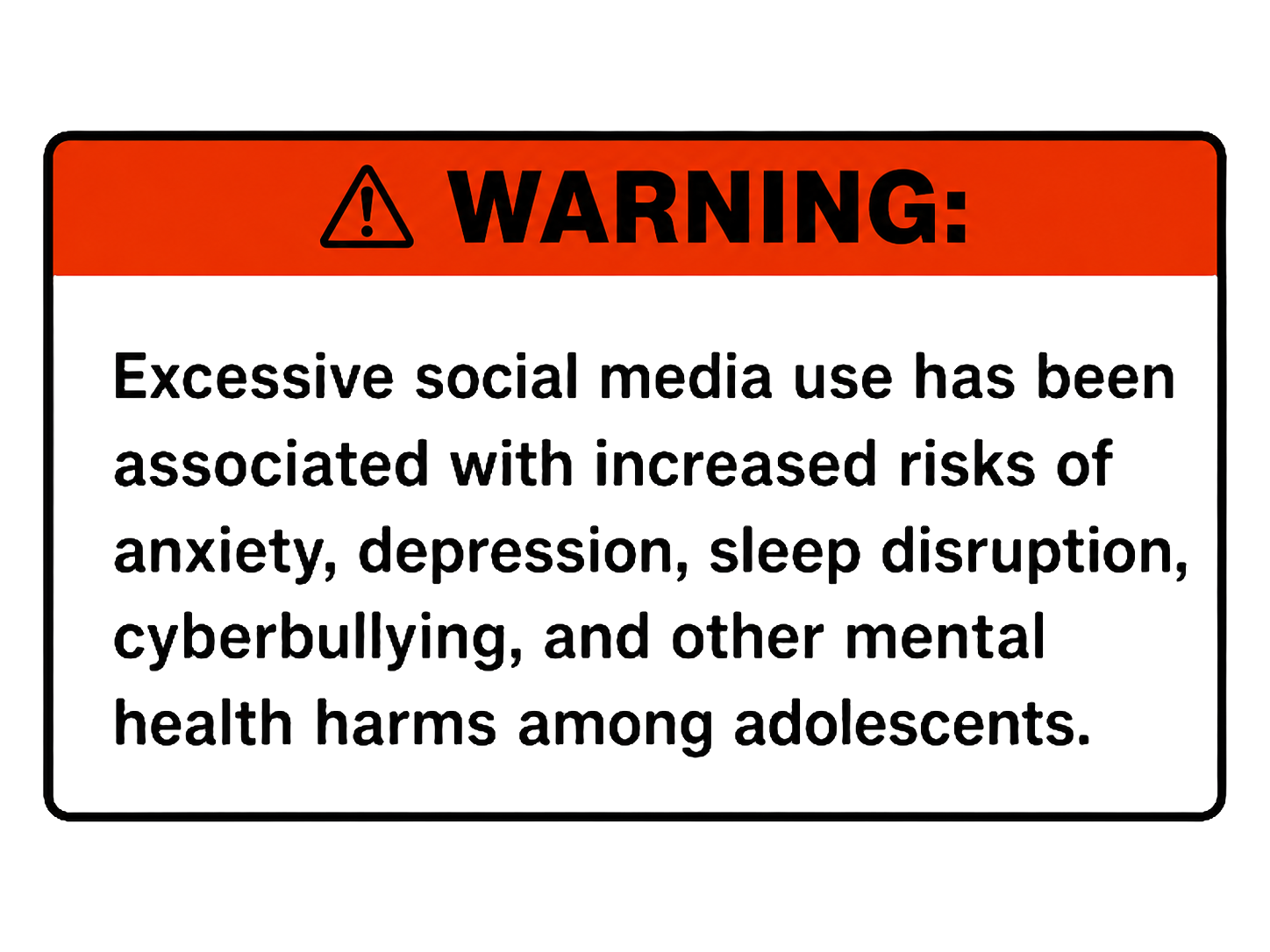
On June 22, 2025, Governor Greg Abbott signed Senate Bill 25 (SB25), known as the Make Texas Healthy Again Act. Beginning January 1, 2027, Texas will require prominent on-pack warning labels whenever food sold in the state contains any of 44 specific additives—including synthetic colorants like Red 40, Yellow 5, Blue 1, titanium dioxide, bleached flour, and partially hydrogenated oils. The mandated label must declare the following:
Show More