


THE SILENT WINTER THREAT: CARBON MONOXIDE POISONING DURING STORMS AND POWER OUTAGES
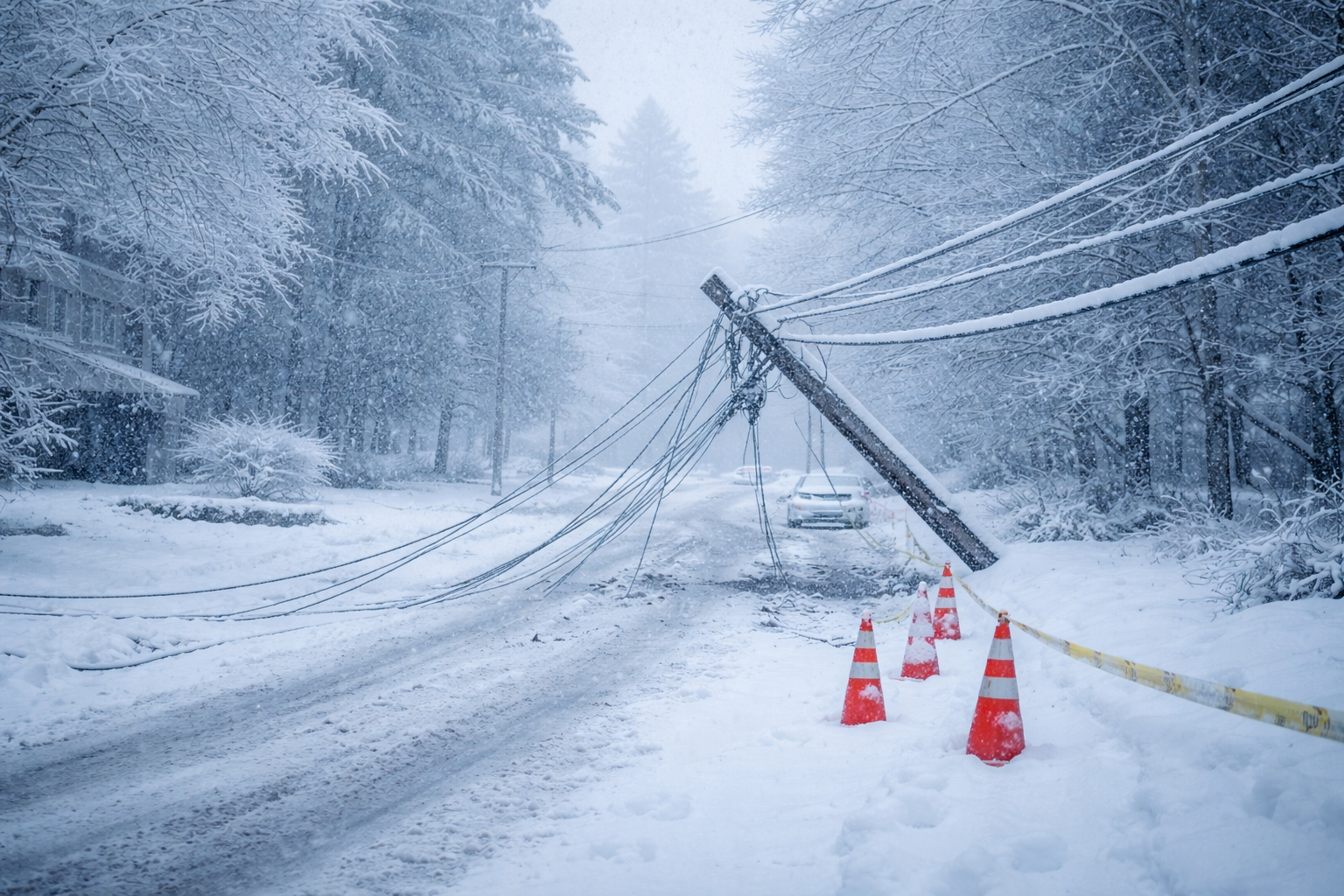
Winter in the Northern Hemisphere brings cold weather, snow, and often severe storms. These conditions can lead to power outages that last hours or even days. When electricity is lost and temperatures plummet, many households turn to alternative heating methods or portable power generators. While these actions are understandable, they can expose families to a perilous and often invisible threat: carbon monoxide (CO) poisoning.
Carbon monoxide is a colorless, odorless, and tasteless gas produced when fuels such as gasoline, propane, natural gas, oil, wood, or charcoal do not burn completely. Because people cannot detect it using their senses, CO is known as “the silent killer.” Each winter, CO poisoning incidents increase, resulting in serious injuries and fatalities that are largely preventable.
The Scope of the Problem
Carbon monoxide poisoning represents a significant public health risk in the United States. According to the Centers for Disease Control and Prevention (CDC) and other national data sources:
- More than 100,000 people visit emergency departments nationwide each year due to carbon monoxide poisoning.
- Unintentional, non-fire-related CO poisoning results in more than 400 deaths annually.
- Some studies estimate that around 101,847 emergency department visits and over 14,000 hospitalizations occur annually from unintentional CO exposures.
- Other traditional surveillance data show approximately 15,000 ED visits and nearly 500 deaths per year, though these figures may undercount the full burden due to limitations in reporting systems.
These statistics reflect acute poisonings across all seasons. However, winter months are a high-risk period, coinciding with the use of furnaces, heaters, generators, and other combustion sources in enclosed or poorly ventilated spaces.
Why Winter Elevates Risk
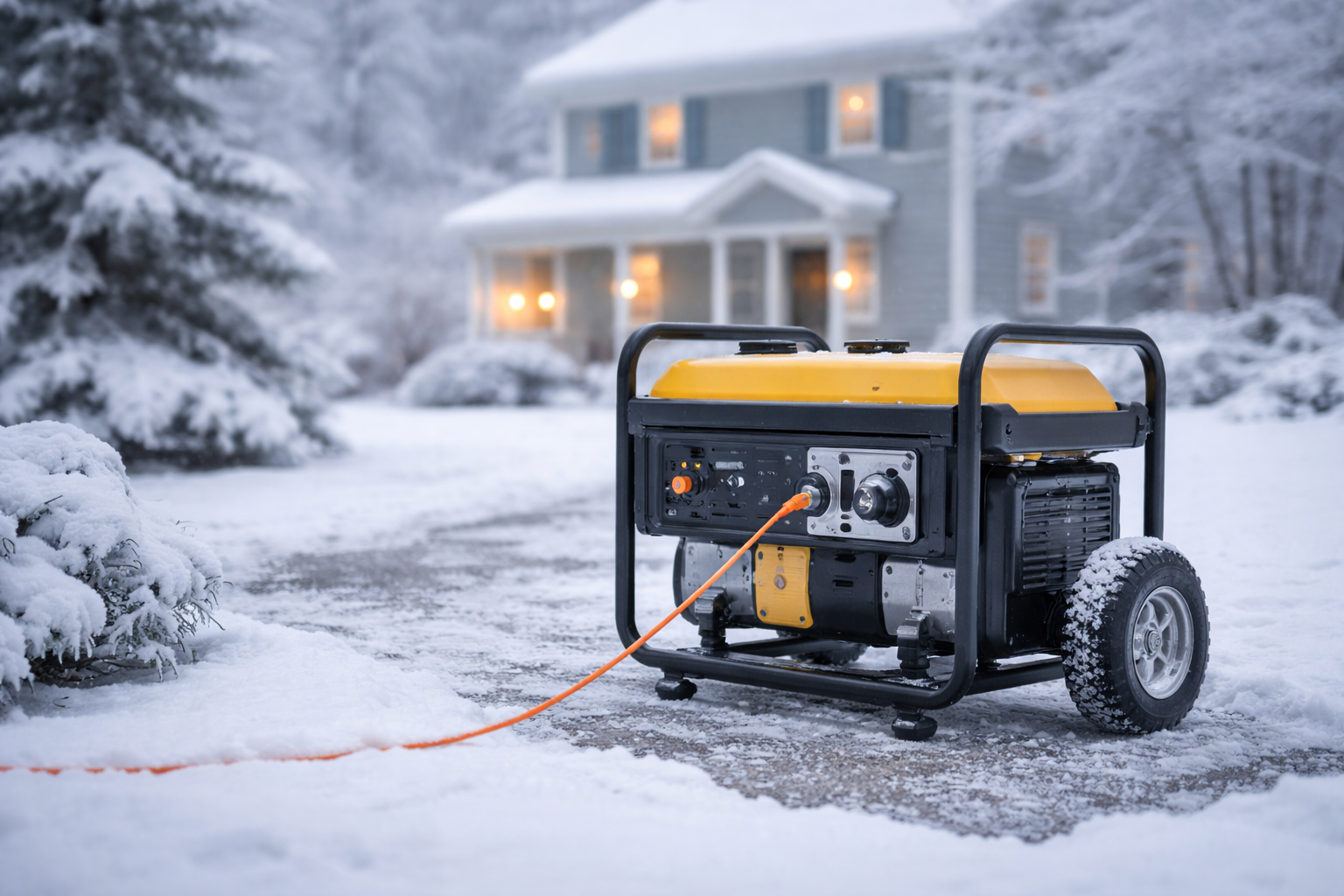
Power outages and cold weather create conditions where people may use portable generators, propane or kerosene heaters, wood stoves, or charcoal grills to heat their homes or generate electricity. Problems arise when:
- Generators are used indoors or too close to living spaces, allowing exhaust to seep in through windows, doors, or vents.
- Indoor fuel-burning devices are used without proper ventilation, such as grills, camp stoves, or unvented heaters.
- Snow and ice block exhaust vents or chimneys, trapping CO inside the home even when appliances are operating correctly.
Health Effects of Carbon Monoxide Exposure
Carbon monoxide binds with hemoglobin in the blood more readily than oxygen, effectively reducing the blood’s ability to carry oxygen to vital organs. The effects of CO poisoning can mimic other common illnesses, which can delay recognition and treatment.
Early symptoms include:
- Headache
- Dizziness
- Fatigue or weakness
- Nausea or vomiting
- Shortness of breath
- Confusion
With higher exposure levels, individuals may experience loss of consciousness, seizures, heart damage, or death. Children, the elderly, pregnant individuals, and those with preexisting heart or lung conditions are particularly vulnerable.
Prevention and Safety Measures
While carbon monoxide poisoning is dangerous, it is also highly preventable. Following a set of straightforward precautions can dramatically reduce the risk:
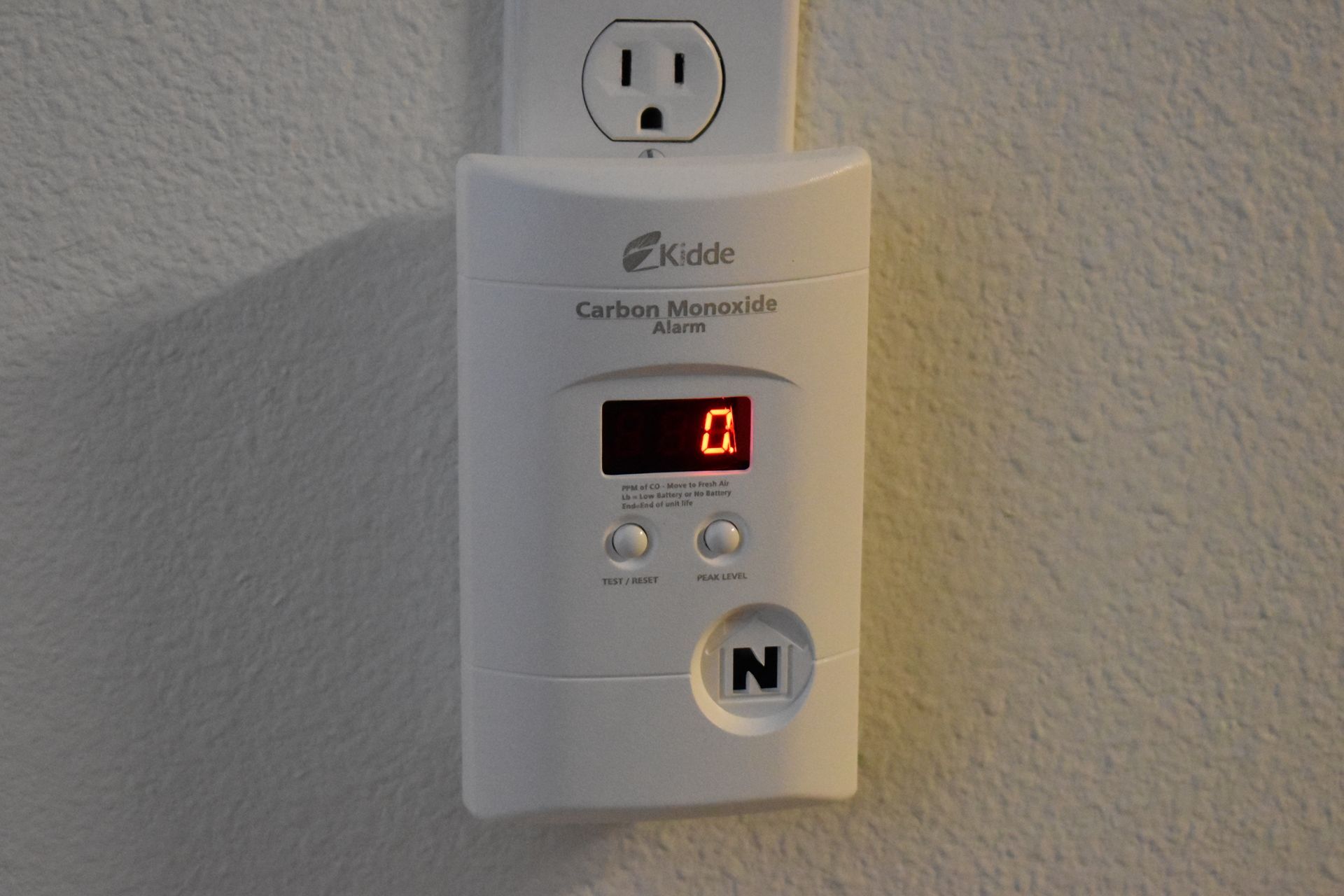
- Install carbon monoxide detectors
Place detectors on every level of your home and near sleeping areas. Test them monthly and change batteries as needed. - Use generators correctly
Operate portable generators outdoors and at least 20 feet away from any building, with exhaust directed away from windows and doors. Never use generators in garages, basements, or enclosed spaces — even with doors open. - Keep fuel-burning devices outside
Charcoal grills, camp stoves, and similar devices should only be used outdoors, well away from structures. - Maintain appliances and vents
Have furnaces, water heaters, and chimneys professionally inspected annually. During heavy snow, check that vents remain clear of snow or ice. - Never use gas ovens or stovetops to heat your home
These appliances are not designed for space heating and can emit concentrated CO into your living space.
What To Do If You Suspect CO Poisoning
If a carbon monoxide detector sounds or you experience symptoms consistent with CO poisoning:
- Move everyone outdoors to fresh air immediately.
- Call emergency services or your local fire department.
- Do not re-enter the building until it has been declared safe by professionals.
Even if symptoms seem mild, seek medical evaluation; carbon monoxide exposure can have delayed or long-term effects if not treated promptly.
Final Thought
Winter storms and power outages will continue to disrupt our lives. Being prepared and informed about carbon monoxide hazards can mean the difference between a close call and tragedy. Share this information with friends, family, and neighbors — especially those who are older or unfamiliar with generator safety — because public awareness is one of the most effective defenses against this silent and invisible threat.