


WARNING: THE TRUMP ADMINISTRATION’S EPA IS DISMANTLING REGULATIONS PROTECTING US FROM PFAS, PUTTING OUR LIVES AT RISK

1. Weakening National Drinking Water Standards
In April 2024, the EPA finalized the first federally enforceable National Primary Drinking Water Rule (NPDWR) for six PFAS, including PFOA, PFOS, PFHxS, PFNA, HFPO-DA (GenX), PFBS, and mixtures of these chemicals. These rules established maximum contaminant levels (MCLs) and required monitoring and treatment timelines for public water systems.
Under Trump's EPA, this landmark public health rule is being undone:
- Repealing PFAS Limits for Four Chemicals: The agency has announced plans to repeal the enforceable MCLs for four of the six regulated PFAS—PFHxS, PFNA, HFPO-DA (GenX), and the hazard index covering mixtures. These are chemicals commonly found in water systems across the country.
- Extending Compliance Deadlines: For the remaining two PFAS—PFOA and PFOS—the EPA plans to extend the deadline for utilities to comply with the 4 parts-per-trillion limits from 2029 to 2031.
- Rescinding Key Components: The agency has signaled it will rescind regulatory determinations under the Safe Drinking Water Act that justified controlling several PFAS, claiming procedural technicalities to reverse the earlier protections.
Taken together, these moves would erase or delay the protections designed to limit residents’ exposure to some of the most harmful PFAS compounds.

2. Gutting Reporting and Data Collection Requirements
Accurate government oversight depends on knowing what chemicals are in commerce, how much is produced, and how they are used. Under the Toxic Substances Control Act (TSCA), Congress mandated a one-time reporting requirement for PFAS to gather comprehensive industry data.
The Trump EPA is now proposing major exemptions that would greatly reduce reporting obligations:
- Exemptions Proposed for Manufacturers: The EPA has suggested broad carve-outs, including allowing exemptions for PFAS present at low levels in products, imported articles, byproducts, impurities, and items used in research and development. These carve-outs could eliminate reporting on over 98% of entities that otherwise would be obligated to disclose information about PFAS chemicals in commerce, according to state attorneys general opposing the rollback.
Without complete data, regulators and public health professionals cannot track PFAS exposure pathways, identify pollution sources, or craft effective interventions.
Source: TheScientist
3. Delays and Rollbacks in Enforcement and Oversight
Beyond rule repeals and reporting rollbacks, recent reporting indicates that the Trump administration’s EPA has:
- Delayed enforcement of existing PFAS standards and compliance timelines, giving utilities and polluters more time before they face consequences.
- Cut research funding and staff dedicated to PFAS risk assessment, slowing scientific progress on understanding health impacts and remediation strategies.
These changes not only weaken regulatory teeth, they reduce the agency’s institutional capacity to protect communities from ongoing PFAS contamination.
4. Legal and Public Health Backlash
The rollback of PFAS protections is not going unchallenged. State attorneys general, environmental groups, and public health advocates are pushing back, citing:
- Legal challenges to repeals of drinking water limits, arguing the EPA lacks authority to weaken protections without sound science and adherence to statutory anti-backsliding provisions.
- Opposition to gutting reporting requirements, highlighting risks of hidden chemical use and reduced oversight.
These fights underscore the magnitude of what is at stake: the very tools designed to prevent toxic chemicals from circulating in drinking water and harming human health.

Why This Matters to You and Your Family
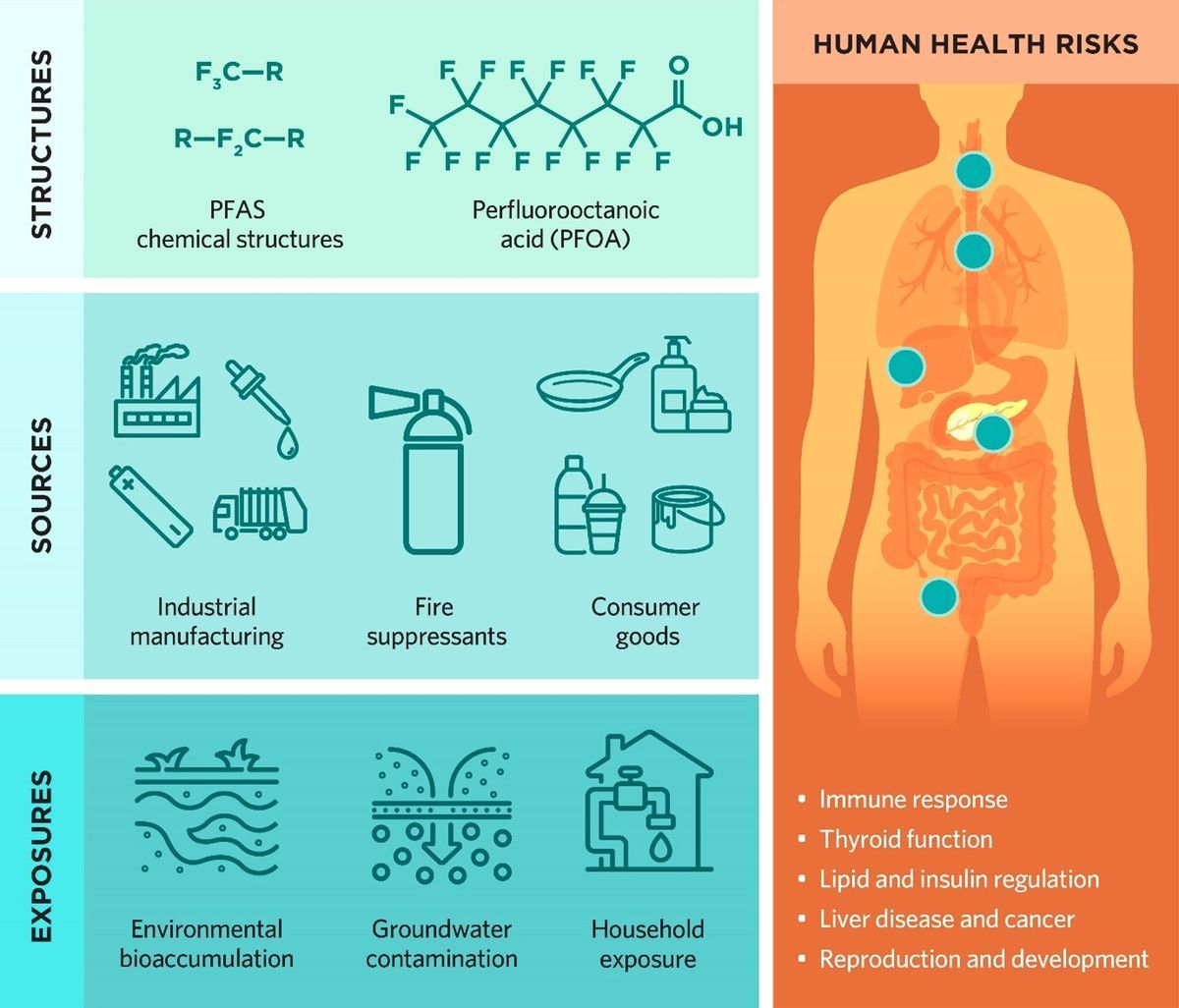
PFAS are not abstract industrial compounds hidden from daily life—they are found in:
- Water supplies serving tens of millions of Americans, often above even the EPA’s own (now contested) safety thresholds.
- Household products including non-stick cookware, water-resistant clothing, carpets, and food packaging.
- Soil and groundwater near airports, military installations, manufacturing sites, and waste disposal facilities.
Scientific research consistently shows that PFAS accumulate in human blood and tissues and that many compounds have no safe level of exposure. Rolling back protections designed to reduce such exposure jeopardizes public health, especially in vulnerable communities already burdened by pollution.
What You Can Do
- Stay informed about federal and state actions on PFAS regulations.
- Engage with policymakers—contact your representatives in Congress and state legislatures to express concern about weakening environmental protections.
- Support legal challenges and public interest groups fighting to defend environmental health safeguards.
- Push for stronger state standards if federal protections falter.
The dismantling of PFAS regulations is not just a regulatory shift; it is a public health crisis in the making. When the institutions charged with protecting our air, water, and health retreat from that mission, the consequences echo in every community. It is up to all of us to demand accountability and to insist that public health does not take a backseat to deregulation.