

A PREVENTABLE CRISIS: THE U.S. MEASLES SURGE AND THE COST OF ANTI-SCIENCE LEADERSHIP

A Grim Milestone for American Public Health


We are facing a public health emergency that was entirely preventable. According to updated data from the Centers for Disease Control and Prevention (CDC), the United States has recorded 2,170 confirmed measles cases in 2026—and we are only halfway through the year. This staggering figure nearly matches the 2,289 cases recorded across the entirety of 2025, representing a measles crisis on a scale this country has not seen in over three decades.


Measles was declared officially eliminated from the United States in 2000, thanks to robust and widespread uptake of the Measles, Mumps, and Rubella (MMR) vaccine. Today, that monumental achievement is on the verge of being permanently erased.
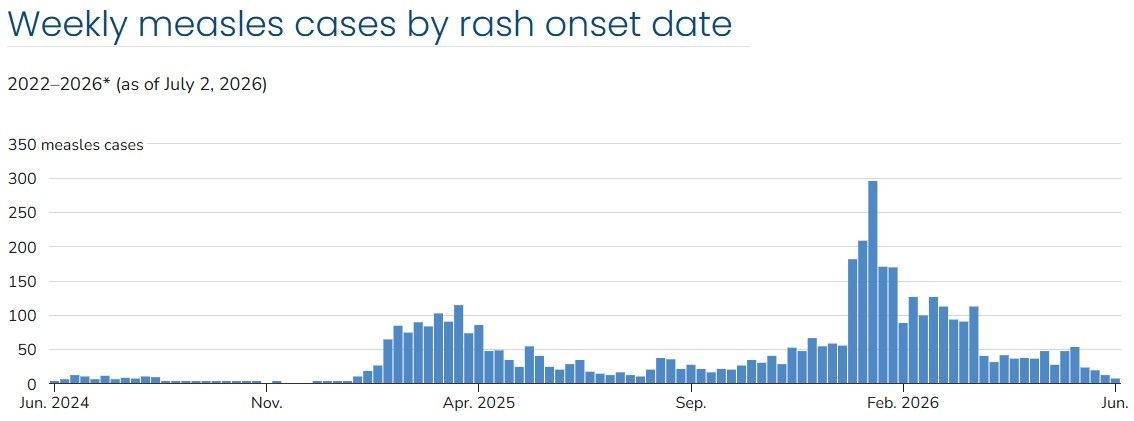


Tracking the 2026 Surge


The reality of this outbreak is clear when looking at who is getting sick and where the virus is spreading. The vast majority of cases are tightly concentrated among individuals who lack protection: 93% of all reported cases of measles are from people who are NOT vaccinated.


The standard two-dose MMR vaccine regimen is 97% effective at preventing measles. Yet, because community protection is fraying, the virus is easily finding pockets of vulnerable individuals, leading to prolonged chains of transmission that local health departments are struggling to extinguish.
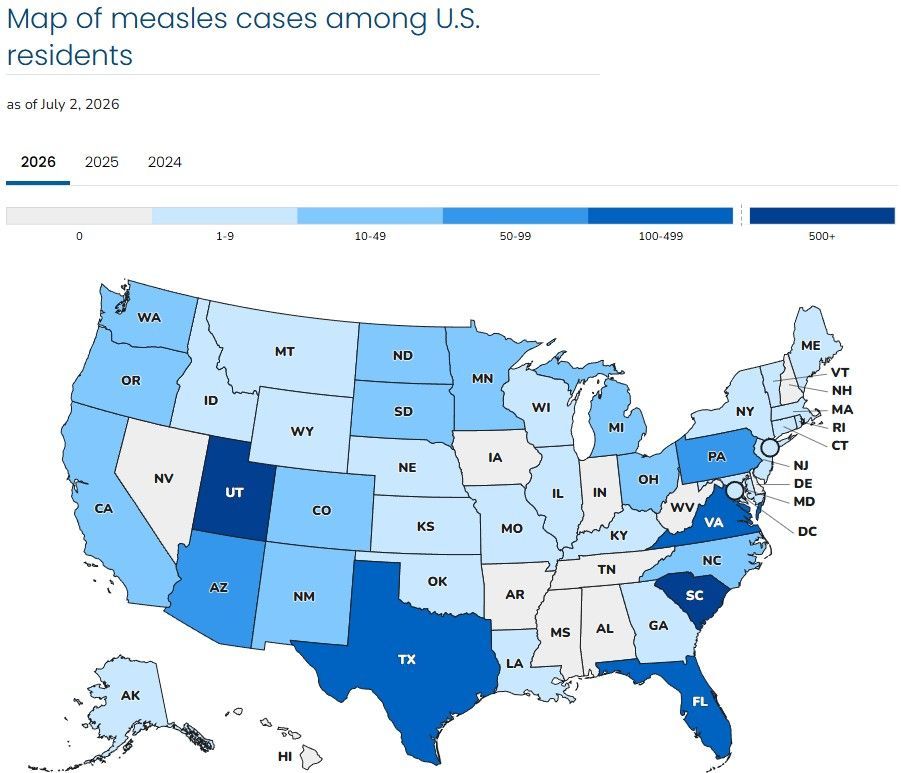


The Collapse of Herd Immunity


The primary driver of this resurgence is the steady erosion of childhood vaccination coverage. To maintain "herd immunity" against an pathogen as highly contagious as measles, a population must maintain a vaccination rate of at least 95%.


Unfortunately, national MMR coverage among U.S. kindergartners has slipped from 95.2% during the 2019–2020 school year down to 92.5% recently. This gap left roughly 286,000 schoolchildren entirely unprotected at the start of the school year. When an unvaccinated traveler returns from abroad with the virus, these low-coverage pockets act like tinder for a wildfire.


The RFK Jr. Effect: Undermining Public Health from the Top


While public health officials try to contain this escalating crisis, their efforts are being actively undermined by the leadership at the Department of Health and Human Services (HHS). Under Secretary Robert F. Kennedy Jr., the federal response has shifted away from established medical science toward harmful rhetoric and policy shifts.

  • Double-Sided Messaging: While Kennedy has stated under oath in Senate hearings that he "promotes" the measles vaccine, his public rhetoric frequently undercuts this. He has repeatedly amplified debunked claims about vaccine safety, opposed long-standing school mandates, and falsely suggested that the MMR vaccine causes widespread annual mortality.
  • Pushing Unproven Alternatives: Rather than forcefully advocating for universal vaccination during active outbreaks, Kennedy has publicly promoted alternative treatments like mega-doses of Vitamin A. This misinformation has had immediate real-world consequences, with former CDC officials noting an alarming rise in hospital admissions for Vitamin A toxicity as parents follow unscientific advice.
  • Crippling Local Infrastructure: Compounding the ideological rhetoric are devastating systemic cuts. The administration has reduced federal funding aimed at local health department outbreak responses, leaving short-staffed agencies without the resources needed for aggressive contact tracing and quarantine measures.


"Anyone who is spreading misinformation about the safety or effectiveness of the measles vaccine shares in the responsibility for these outbreaks, especially if they have the ear of the public." 

— Dr. David L. Hill, American Academy of Pediatrics spokesperson


The Path Forward


Public health is built on collective responsibility. When federal leadership chooses to legitimize anti-vaccine conspiracy theories and strip funding from frontline containment teams, the consequences are measured in hospitalized children.


To protect our communities and the most vulnerable among us—including infants too young to be vaccinated and immunocompromised individuals—we must reject political pseudoscience. Talk to your pediatrician, ensure your family’s immunizations are up to date, and advocate for public health policies rooted in rigorous peer-reviewed science.


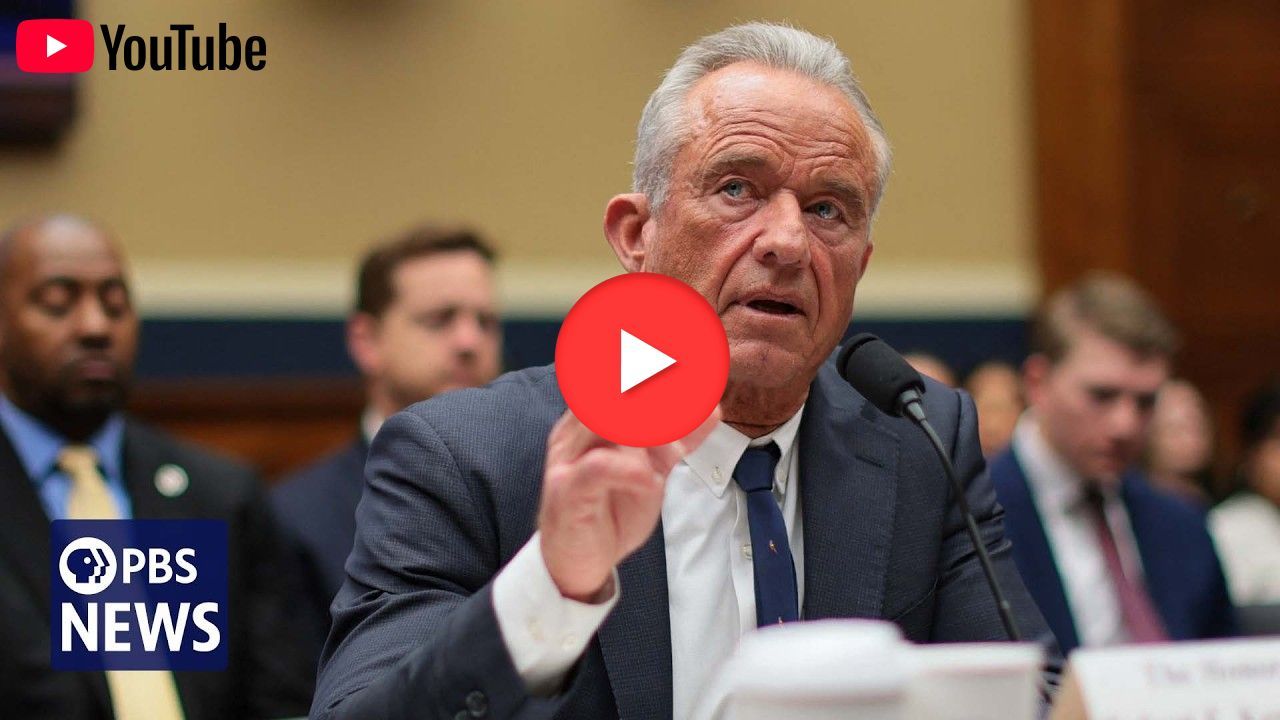
For a closer look at the data and testimonies behind the federal response to this ongoing crisis, you can view this RFK Jr. Senate Hearing Video, which highlights the intense legislative scrutiny over vaccine messaging and public health accountability.
By Dr. Gerald Goldhaber June 15, 2026
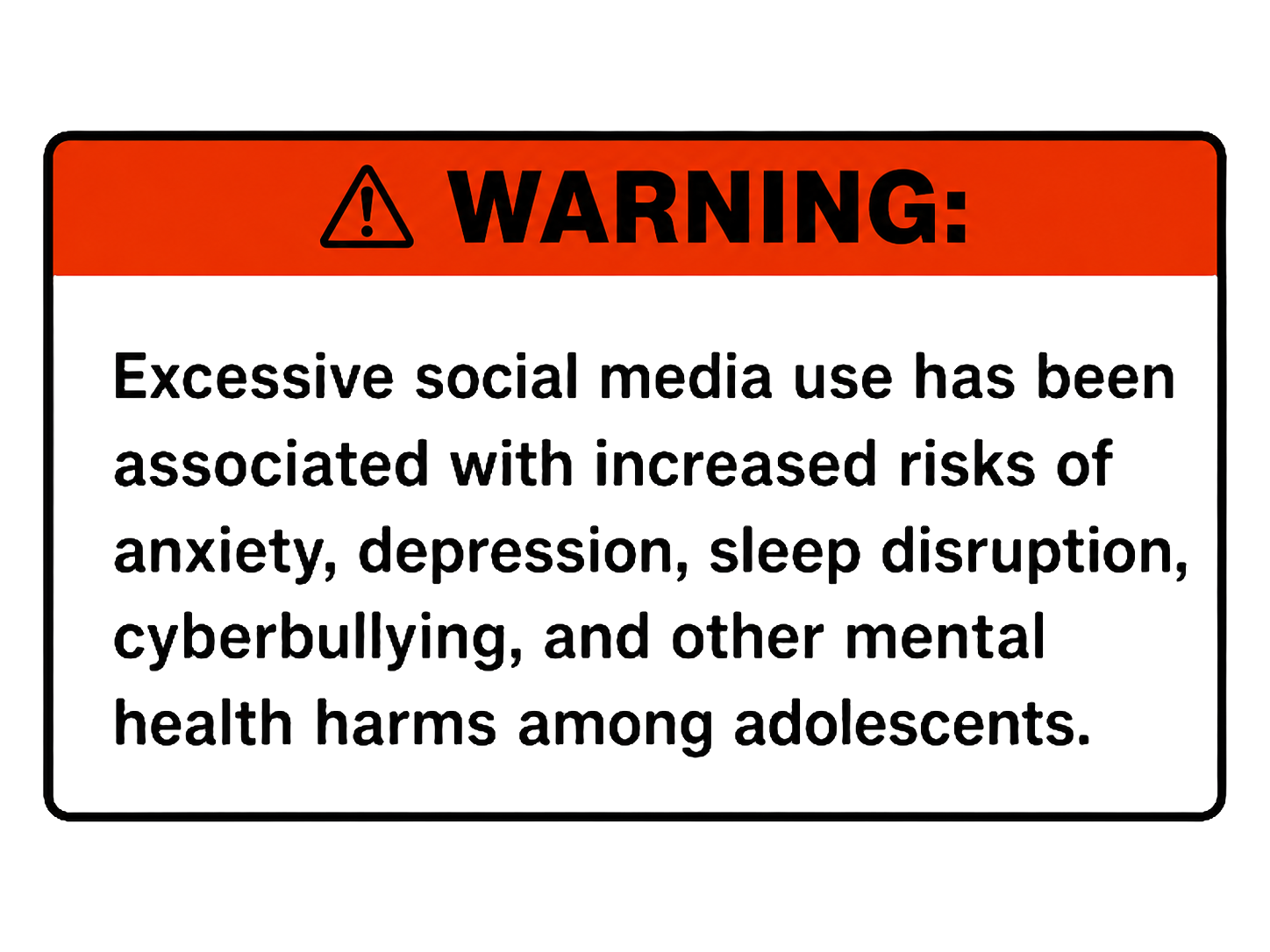
For decades, Americans have relied on warning labels to alert consumers to hidden dangers. Cigarette packages warn of cancer. Alcohol labels caution pregnant women. Medications disclose side effects. Yet one of the most powerful and potentially addictive products used by millions of children every day carries virtually no warning at all: social media. In 2024, as I wrote in the September, 2024 issue of this newsletter, then-U.S. Surgeon General Dr. Vivek Murthy called on Congress to require cigarette-style warning labels on social media platforms, arguing that parents and children deserve to know that excessive use has been linked to anxiety, depression, body image problems, sleep disruption, and other mental health concerns. He stated that social media had become an important contributor to the youth mental health crisis and that warning labels could help increase awareness among families. Unfortunately, that proposal has stalled under the new administration. The opportunity to provide parents with basic health information appears to have been abandoned just as evidence of social media's harmful effects continues to mount.
By Dr. Gerald Goldhaber April 30, 2026
Artificial intelligence (AI) is rapidly reshaping the landscape of healthcare, particularly in the realm of medical diagnosis. From analyzing medical images to predicting disease risk, AI-driven tools are increasingly being integrated into clinical workflows. While the potential benefits are substantial—improved accuracy, faster diagnoses, and expanded access to care—there are also meaningful risks that warrant careful scrutiny. Understanding both sides is essential for clinicians, policymakers, and patients alike.
By Dr. Gerald Goldhaber March 31, 2026
Lithium-ion batteries power much of modern life. From smartphones and laptops to e-bikes, power tools, and even home energy storage systems, these compact and efficient batteries are everywhere. But as their use has expanded, so too has a serious and often underestimated danger: the risk of fire. Lithium-ion battery fires are not like typical household fires. They burn hotter, spread faster, and can reignite even after appearing to be extinguished. These fires are caused by a process known as “thermal runaway,” where damage, overheating, or internal defects trigger a chain reaction inside the battery. Once this process begins, it can release flammable gases, cause explosions, and produce intense flames that are difficult to control.
By Dr. Gerald Goldhaber February 27, 2026
1. Weakening National Drinking Water Standards  In April 2024, the EPA finalized the first federally enforceable National Primary Drinking Water Rule (NPDWR) for six PFAS, including PFOA, PFOS, PFHxS, PFNA, HFPO-DA (GenX), PFBS, and mixtures of these chemicals. These rules established maximum contaminant levels (MCLs) and required monitoring and treatment timelines for public water systems. Under Trump's EPA, this landmark public health rule is being undone :
By Dr. Gerald Goldhaber January 27, 2026
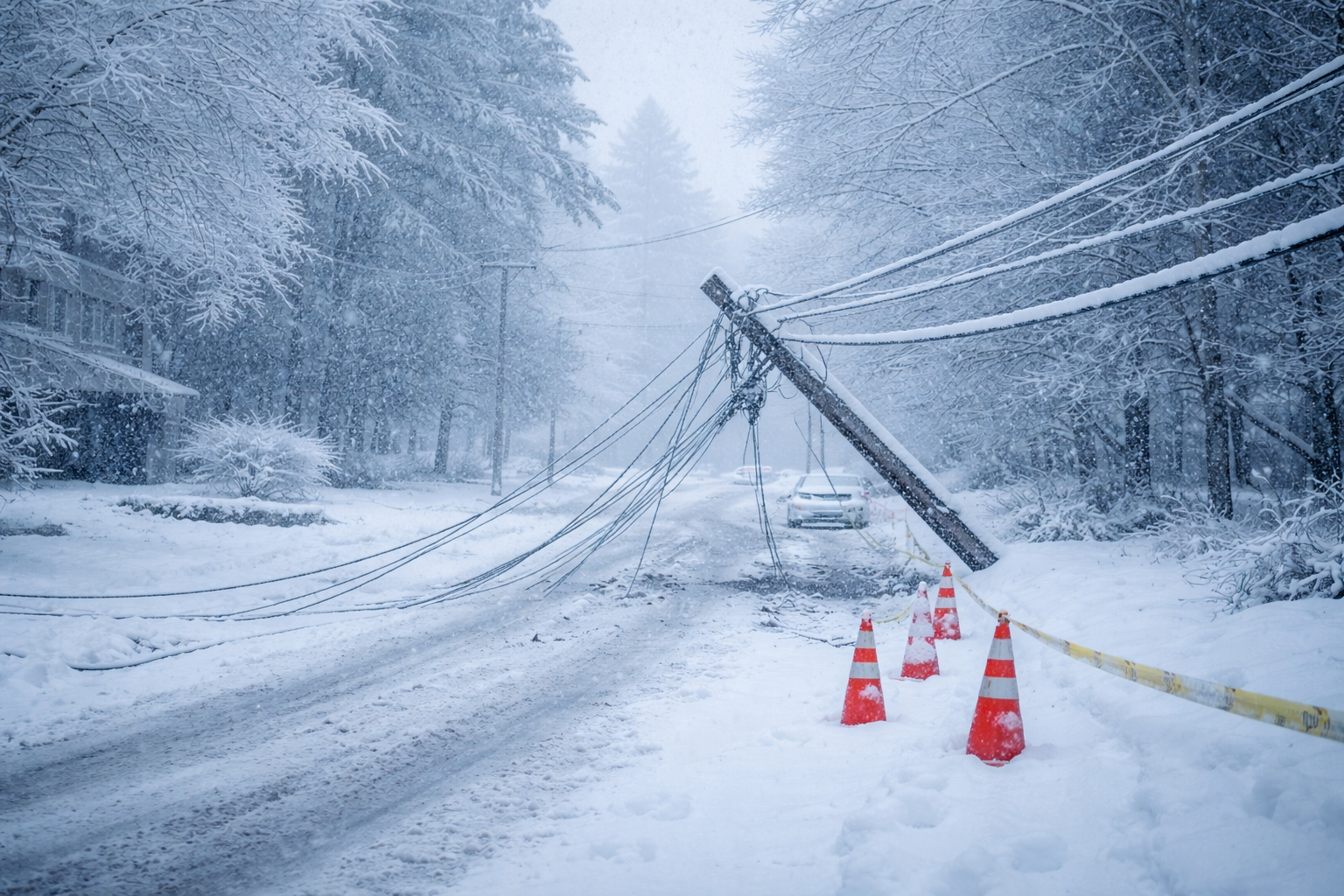
Winter in the Northern Hemisphere brings cold weather, snow, and often severe storms. These conditions can lead to power outages that last hours or even days. When electricity is lost and temperatures plummet, many households turn to alternative heating methods or portable power generators. While these actions are understandable, they can expose families to a perilous and often invisible threat: carbon monoxide (CO) poisoning . 
By Dr. Gerald Goldhaber November 24, 2025
As Thanksgiving approaches, kitchens across the country are about to come alive with the sounds and smells of holiday cooking. While this season brings family, gratitude, and plenty of delicious food, it also comes with a serious and often overlooked risk: foodborne illness. In the U.S., Salmonella and Listeria remain two of the most dangerous and persistent causes of food poisoning—especially during the holidays, when increased food preparation, crowded refrigerators, and large holiday meals create ideal conditions for bacterial growth.Whether you’re hosting your first Thanksgiving dinner or you’re a seasoned holiday chef, brushing up on a few key food safety practices can help you keep your loved ones healthy and your celebration memorable for all the right reasons.
By Dr. Gerald Goldhaber October 30, 2025
The race to develop autonomous vehicles (AVs) has reached a pivotal moment. Alphabet-owned Waymo, widely regarded as the frontrunner in the field, has rolled out fully driverless taxis in Phoenix, San Francisco, and Los Angeles, with plans to expand to additional cities. But as more Waymo vehicles hit public roads without human drivers, the question looms large: Are they truly safer than the people they’re replacing behind the wheel?
By Dr. Gerald Goldhaber October 13, 2025
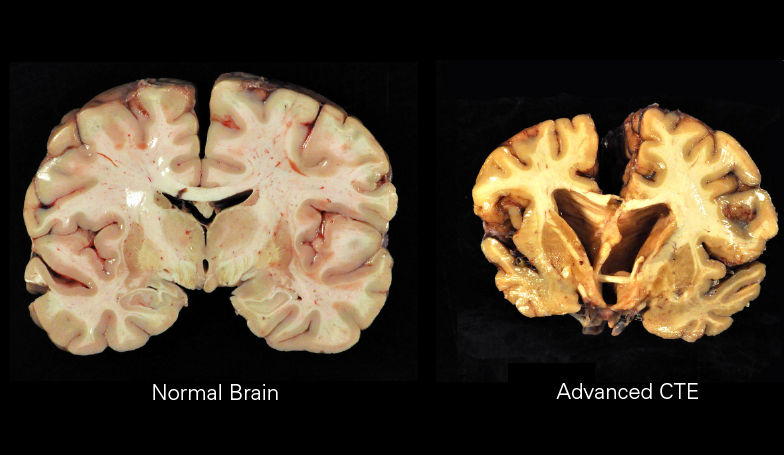
We are now in the middle of another football season, and the question, as asked every year: Is this sport safe enough for our high school, college, and professional athletes to play? Football has always been a violent sport of collision, glory, and growing concern. Over the last decade, research tying repetitive head impacts to chronic traumatic encephalopathy (CTE) has shaken parents, players, and the game’s governing bodies. The central realities are straightforward but sobering: repeated head impacts — both diagnosed concussions and the many “sub-concussive” blows players take — are linked to later-life brain pathology; helmets and add-ons can lower impact forces, but no helmet or cover has been shown to prevent CTE; and rule and culture changes that reduce the number and severity of head impacts are where the biggest gains lie.
By Dr. Gerald Goldhaber September 10, 2025
The Centers for Disease Control and Prevention (CDC) has long been viewed as the nation’s front-line defense against disease outbreaks, health emergencies, and public health threats. But today, the agency faces internal turmoil, political interference, and organizational confusion that experts warn could have dangerous consequences for the U.S. healthcare system—and for ordinary Americans.
By Dr. Gerald Goldhaber August 7, 2025
From July 3–4, 2025, Central Texas—especially Kerr County and the Guadalupe River basin—experienced catastrophic flash flooding that claimed over 130 lives, including children and staff at Camp Mystic. As grief and outrage settle, survivors and officials alike are questioning whether enough was done to warn those most at risk.
Show More