

WARNING: USING AI FOR MEDICAL DIAGNOSES MAY BE HARMFUL TO YOUR HEALTH

Artificial intelligence (AI) is rapidly reshaping the landscape of healthcare, particularly in the realm of medical diagnosis. From analyzing medical images to predicting disease risk, AI-driven tools are increasingly being integrated into clinical workflows. While the potential benefits are substantial—improved accuracy, faster diagnoses, and expanded access to care—there are also meaningful risks that warrant careful scrutiny. Understanding both sides is essential for clinicians, policymakers, and patients alike.



The Benefits: Precision, Speed, and Scale


One of the most compelling advantages of AI in diagnosis is its ability to process vast datasets with remarkable speed and consistency. Machine learning models, particularly those trained on imaging data such as X-rays, MRIs, and CT scans, have demonstrated performance comparable to—or in some cases exceeding—that of human specialists. For example, AI systems can detect early signs of diseases like cancer, diabetic retinopathy, or pneumonia with high sensitivity, often identifying subtle patterns that may be missed by the human eye.


Speed is another critical benefit. Traditional diagnostic processes can be time-consuming, involving multiple tests and specialist consultations. AI can streamline this by delivering near-instantaneous analysis, which is especially valuable in time-sensitive scenarios such as stroke or sepsis. Faster diagnosis can translate directly into earlier intervention and improved patient outcomes.


AI also offers scalability. In regions with limited access to healthcare professionals, AI tools can help bridge the gap by providing preliminary diagnostic support. This democratization of expertise has the potential to reduce disparities in healthcare access, particularly in underserved or rural communities.



The Risks: Bias, Opacity, and Overreliance


Despite these advantages, AI in medical diagnosis is not without significant risks. One of the most pressing concerns is algorithmic bias. AI systems are only as good as the data they are trained on. If training datasets lack diversity—whether in terms of race, gender, age, or socioeconomic status—the resulting models may perform poorly on underrepresented populations. This can lead to misdiagnoses or unequal quality of care, exacerbating existing health disparities.


Another challenge is the “black box” nature of many AI models. Deep learning systems, in particular, often lack transparency in how they arrive at specific conclusions. This opacity can make it difficult for clinicians to trust or validate AI-generated diagnoses, especially in high-stakes situations. Without clear interpretability, accountability becomes murky—who is responsible if an AI system makes an error?


There is also the risk of overreliance. As AI tools become more integrated into clinical practice, there is a danger that healthcare providers may defer too readily to algorithmic outputs, potentially diminishing their own diagnostic skills. This is particularly concerning in cases where AI systems may produce confident but incorrect results. Maintaining a balance between human judgment and machine assistance is critical.


Regulatory and Ethical Considerations


The integration of AI into medical diagnosis raises complex regulatory and ethical questions. Ensuring the safety and efficacy of AI tools requires rigorous validation, ideally through clinical trials and real-world testing. Regulatory bodies are still evolving their frameworks to keep pace with rapid technological advancements.


Data privacy is another key issue. AI systems often rely on large volumes of patient data, raising concerns about consent, security, and potential misuse. Robust safeguards are necessary to protect sensitive health information while enabling innovation.


Ethically, there is a need to ensure that AI augments rather than replaces human care. The patient-provider relationship is built on trust, empathy, and communication—elements that AI cannot replicate. Any deployment of AI in diagnosis should preserve these human dimensions.



The Path Forward: Integration, Not Replacement


AI has the potential to be a powerful tool in medical diagnosis, but it should be viewed as a complement to—not a substitute for—clinical expertise. The most effective use cases are those where AI enhances human decision-making, providing additional data points or second opinions rather than definitive answers.


To realize this potential, stakeholders must invest in high-quality, diverse datasets; prioritize model transparency and interpretability; and establish clear regulatory standards. Ongoing education for healthcare professionals is also essential, ensuring they understand both the capabilities and limitations of AI tools.


In conclusion, AI in medical diagnosis represents a significant advancement with the capacity to improve outcomes and expand access to care. However, its deployment must be guided by rigorous standards, ethical considerations, and a commitment to equity. With thoughtful integration, AI can become a trusted ally in the pursuit of better health for all.

By Dr. Gerald Goldhaber March 31, 2026
Lithium-ion batteries power much of modern life. From smartphones and laptops to e-bikes, power tools, and even home energy storage systems, these compact and efficient batteries are everywhere. But as their use has expanded, so too has a serious and often underestimated danger: the risk of fire. Lithium-ion battery fires are not like typical household fires. They burn hotter, spread faster, and can reignite even after appearing to be extinguished. These fires are caused by a process known as “thermal runaway,” where damage, overheating, or internal defects trigger a chain reaction inside the battery. Once this process begins, it can release flammable gases, cause explosions, and produce intense flames that are difficult to control.
By Dr. Gerald Goldhaber February 27, 2026
1. Weakening National Drinking Water Standards  In April 2024, the EPA finalized the first federally enforceable National Primary Drinking Water Rule (NPDWR) for six PFAS, including PFOA, PFOS, PFHxS, PFNA, HFPO-DA (GenX), PFBS, and mixtures of these chemicals. These rules established maximum contaminant levels (MCLs) and required monitoring and treatment timelines for public water systems. Under Trump's EPA, this landmark public health rule is being undone :
By Dr. Gerald Goldhaber January 27, 2026
Winter in the Northern Hemisphere brings cold weather, snow, and often severe storms. These conditions can lead to power outages that last hours or even days. When electricity is lost and temperatures plummet, many households turn to alternative heating methods or portable power generators. While these actions are understandable, they can expose families to a perilous and often invisible threat: carbon monoxide (CO) poisoning . 
By Dr. Gerald Goldhaber November 24, 2025
As Thanksgiving approaches, kitchens across the country are about to come alive with the sounds and smells of holiday cooking. While this season brings family, gratitude, and plenty of delicious food, it also comes with a serious and often overlooked risk: foodborne illness. In the U.S., Salmonella and Listeria remain two of the most dangerous and persistent causes of food poisoning—especially during the holidays, when increased food preparation, crowded refrigerators, and large holiday meals create ideal conditions for bacterial growth.Whether you’re hosting your first Thanksgiving dinner or you’re a seasoned holiday chef, brushing up on a few key food safety practices can help you keep your loved ones healthy and your celebration memorable for all the right reasons.
By Dr. Gerald Goldhaber October 30, 2025
The race to develop autonomous vehicles (AVs) has reached a pivotal moment. Alphabet-owned Waymo, widely regarded as the frontrunner in the field, has rolled out fully driverless taxis in Phoenix, San Francisco, and Los Angeles, with plans to expand to additional cities. But as more Waymo vehicles hit public roads without human drivers, the question looms large: Are they truly safer than the people they’re replacing behind the wheel?
By Dr. Gerald Goldhaber October 13, 2025
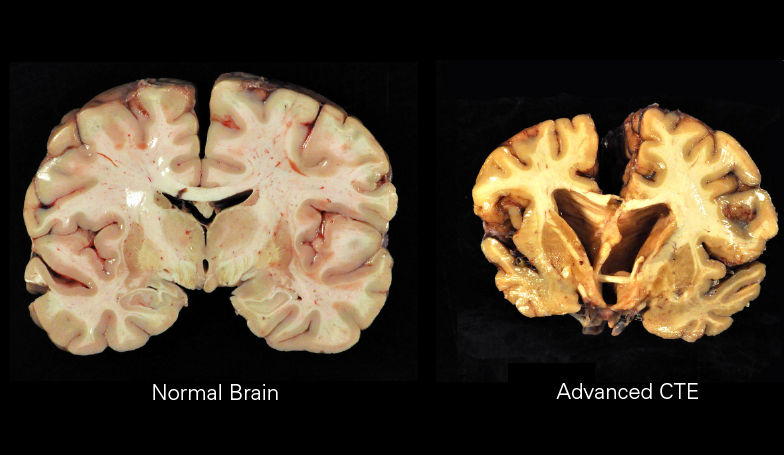
We are now in the middle of another football season, and the question, as asked every year: Is this sport safe enough for our high school, college, and professional athletes to play? Football has always been a violent sport of collision, glory, and growing concern. Over the last decade, research tying repetitive head impacts to chronic traumatic encephalopathy (CTE) has shaken parents, players, and the game’s governing bodies. The central realities are straightforward but sobering: repeated head impacts — both diagnosed concussions and the many “sub-concussive” blows players take — are linked to later-life brain pathology; helmets and add-ons can lower impact forces, but no helmet or cover has been shown to prevent CTE; and rule and culture changes that reduce the number and severity of head impacts are where the biggest gains lie.
By Dr. Gerald Goldhaber September 10, 2025
The Centers for Disease Control and Prevention (CDC) has long been viewed as the nation’s front-line defense against disease outbreaks, health emergencies, and public health threats. But today, the agency faces internal turmoil, political interference, and organizational confusion that experts warn could have dangerous consequences for the U.S. healthcare system—and for ordinary Americans.
By Dr. Gerald Goldhaber August 7, 2025
From July 3–4, 2025, Central Texas—especially Kerr County and the Guadalupe River basin—experienced catastrophic flash flooding that claimed over 130 lives, including children and staff at Camp Mystic. As grief and outrage settle, survivors and officials alike are questioning whether enough was done to warn those most at risk.
By Dr. Gerald Goldhaber July 9, 2025
On June 22, 2025, Governor Greg Abbott signed Senate Bill 25 (SB25), known as the Make Texas Healthy Again Act. Beginning January 1, 2027, Texas will require prominent on-pack warning labels whenever food sold in the state contains any of 44 specific additives—including synthetic colorants like Red 40, Yellow 5, Blue 1, titanium dioxide, bleached flour, and partially hydrogenated oils. The mandated label must declare the following:
By Dr. Gerald Goldhaber May 27, 2025
The FDA is delaying implementation of a rule that would require food companies to print nutritional information on the front labels of their products. The proposed rule was developed by President Biden’s Administration, with a comment period scheduled to close on May 16. The rule is designed to help consumers make better choices to avoid chronic health problems. Such problems—and consumer choices about nutrition—are things President Trump’s Secretary of Health and Human Services, Robert F. Kennedy Jr., has repeatedly touted. Even though hundreds of comments have been filed about the proposed rule, Kennedy’s Food and Drug Administration is delaying the close of the comment period by 60 days. Most of the comments filed so far have come from food companies and food industry trade organizations. “ A 60-day comment period extension allows adequate time for interested parties to submit comments while also not significantly delaying rulemaking on the important issues in the proposed rule ,” according to the FDA’s announcement about the delay. 
Show More