


LITHIUM-ION BATTERIES: A GROWING FIRE RISK IN OUR HOMES
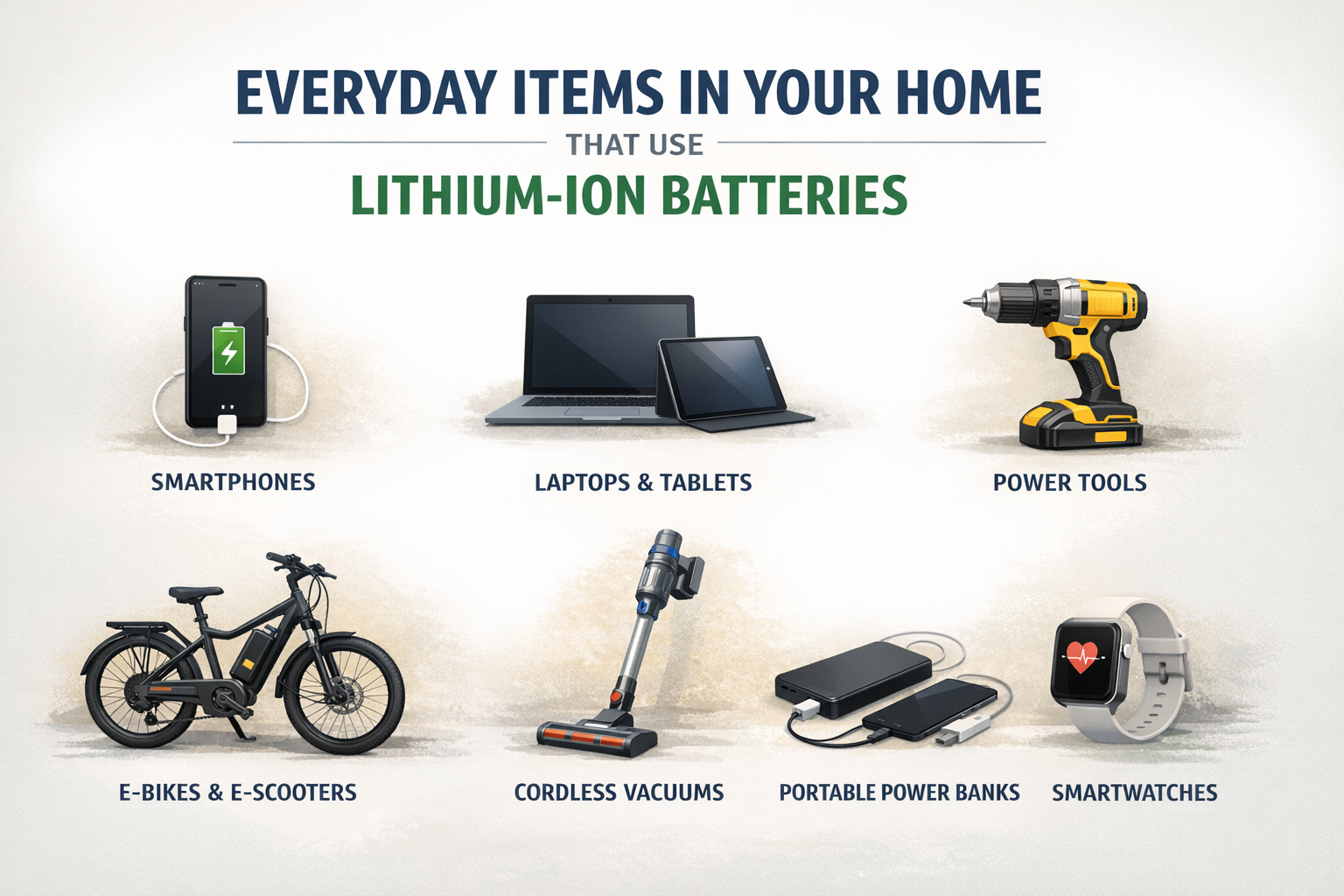
Lithium-ion batteries power much of modern life. From smartphones and laptops to e-bikes, power tools, and even home energy storage systems, these compact and efficient batteries are everywhere. But as their use has expanded, so too has a serious and often underestimated danger: the risk of fire.
Lithium-ion battery fires are not like typical household fires. They burn hotter, spread faster, and can reignite even after appearing to be extinguished. These fires are caused by a process known as “thermal runaway,” where damage, overheating, or internal defects trigger a chain reaction inside the battery. Once this process begins, it can release flammable gases, cause explosions, and produce intense flames that are difficult to control.

In recent years, fire departments across the country have reported a sharp increase in fires linked to lithium-ion batteries. Many of these incidents occur in homes and involve everyday devices such as e-scooters, e-bikes, and portable chargers. Improper charging, use of incompatible chargers, and low-quality or counterfeit batteries are among the leading causes.
One of the most concerning aspects of lithium-ion battery fires is how quickly they escalate. A battery that appears normal can fail without warning, turning a small device into a major fire hazard within seconds. In multi-family housing, such fires can spread rapidly, putting entire buildings and communities at risk.
Fortunately, there are practical steps we can all take to reduce the risk.
First, always use the manufacturer’s recommended charger and battery. Mixing and matching components, especially with cheaper third-party options, increases the likelihood of overheating and failure. Certified products may cost more upfront, but they significantly reduce risk.
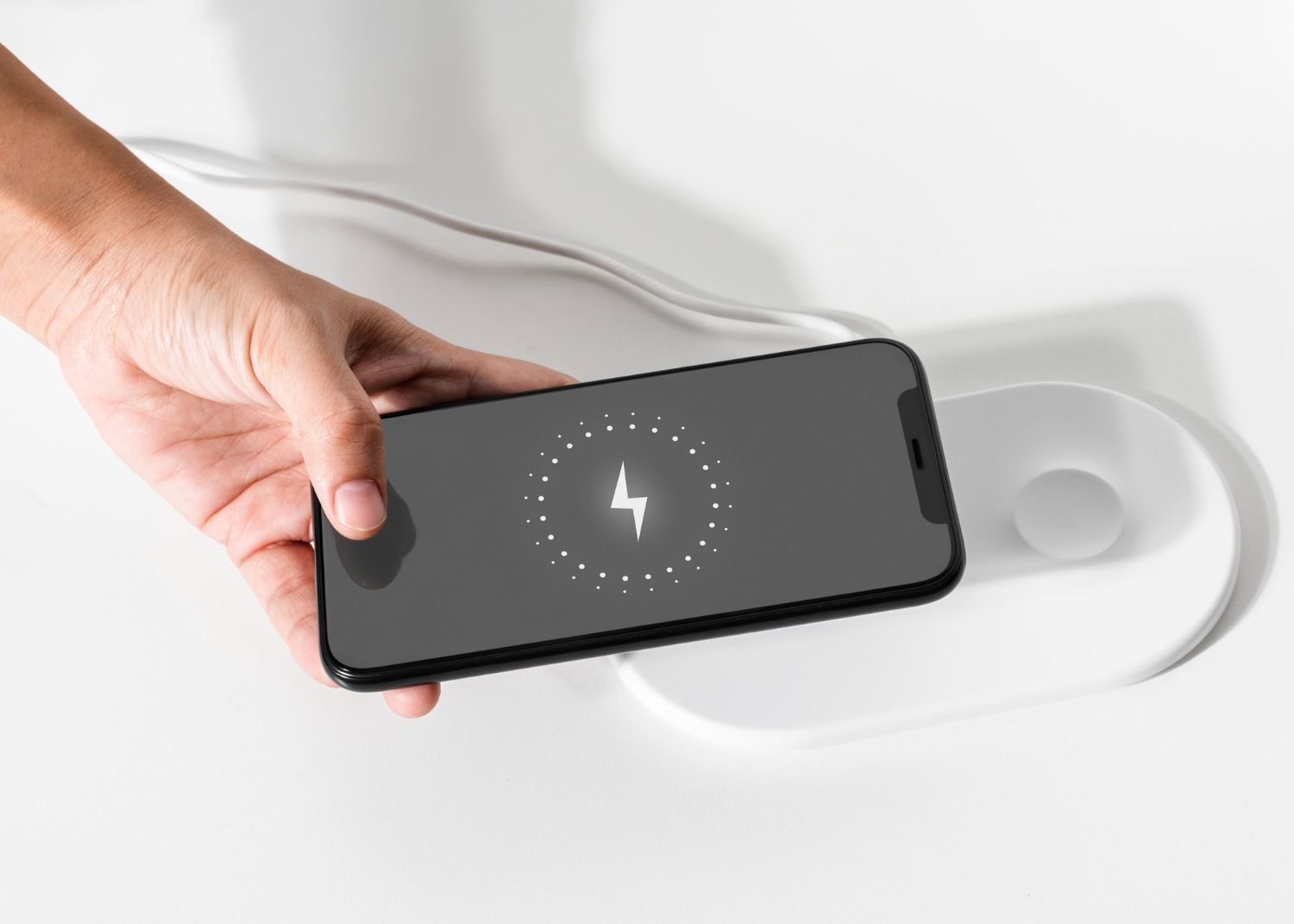
Second, avoid overcharging. Leaving devices plugged in overnight or unattended for long periods can stress batteries and increase the chance of failure. Whenever possible, unplug devices once they are fully charged.
Third, be mindful of where you charge devices. Avoid placing them on soft surfaces like beds or couches, which can trap heat. Instead, charge batteries on hard, non-flammable surfaces and keep them away from flammable materials such as paper, clothing, or curtains.
Fourth, inspect your batteries regularly. If you notice swelling, leaking, unusual odors, or excessive heat, stop using the device immediately. Damaged batteries should be disposed of properly at designated recycling centers—never thrown in the trash.
Fifth, never charge batteries near exits. This is especially important for larger devices like e-bikes or scooters. In the event of a fire, you need a clear escape path. Charging near a doorway can block your exit and trap occupants inside.
For households with multiple battery-powered devices, it may also be worth investing in a fire-resistant charging bag or storage container designed specifically for lithium-ion batteries. These products can help contain fires if they occur.
Finally, education and awareness are critical. Many people are unaware of the risks associated with lithium-ion batteries or assume that small devices are harmless. By understanding the hazards and adopting safe practices, we can significantly reduce the likelihood of fires.
Lithium-ion batteries are an essential part of modern living, but they require respect and care. As their presence in our homes continues to grow, so too must our awareness of the risks they pose. Taking a few simple precautions today can prevent devastating fires tomorrow.
Stay safe, stay informed, and make battery safety a priority in your home.