

SILLY WARNINGS FOR SUMMERTIME HUMOR
Thanks to our friends at the Reader's Digest, I thought you might like some humor to tide you over this summer as we face the challenges arising from the Delta Variant. Please enjoy these silly warnings and promise me you won't engage in their prohibited behaviors.
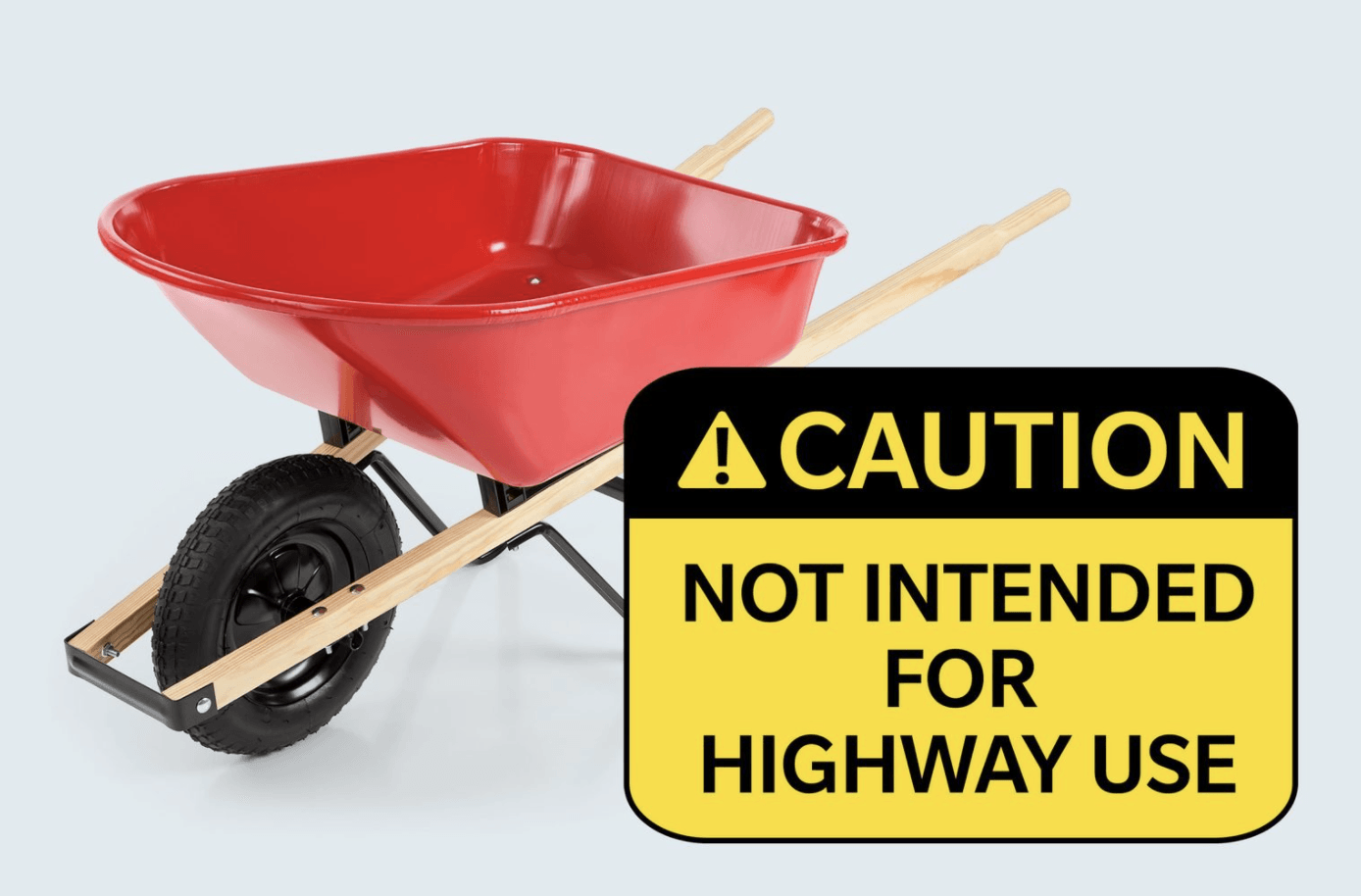
1. Warning label on a wheelbarrow:
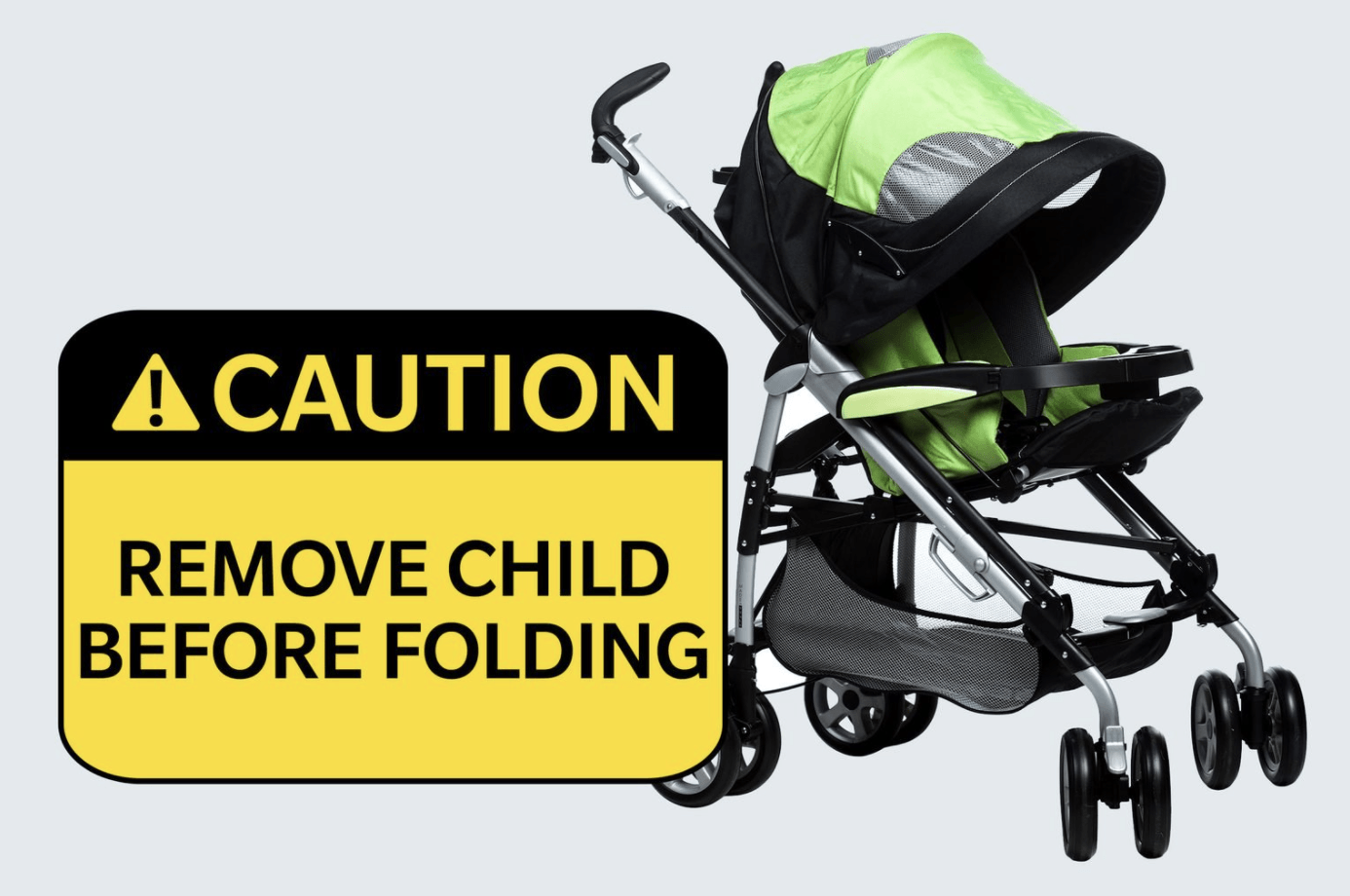
2. Warning label on a baby stroller:
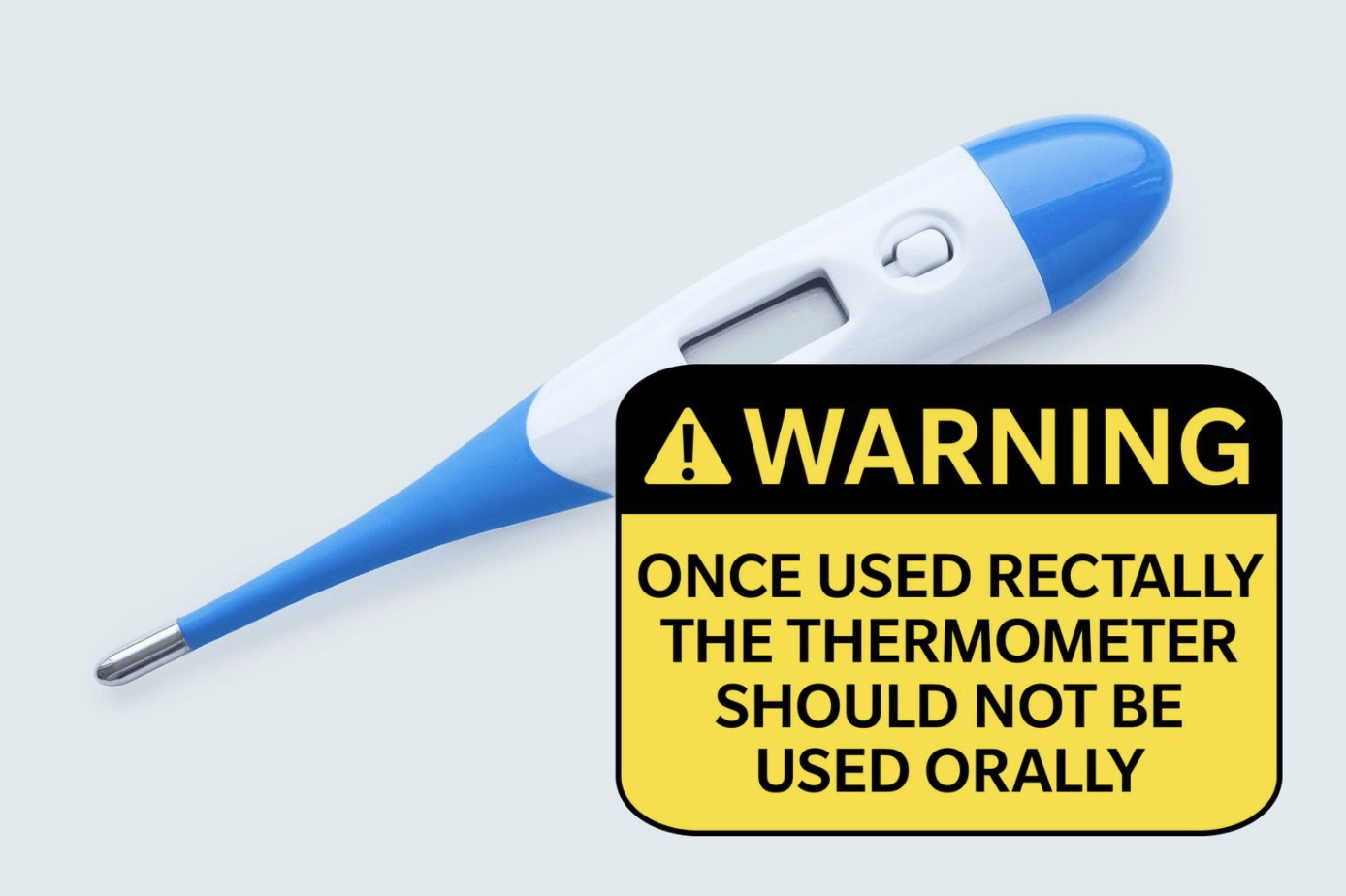
3. Warning label on a thermometer:
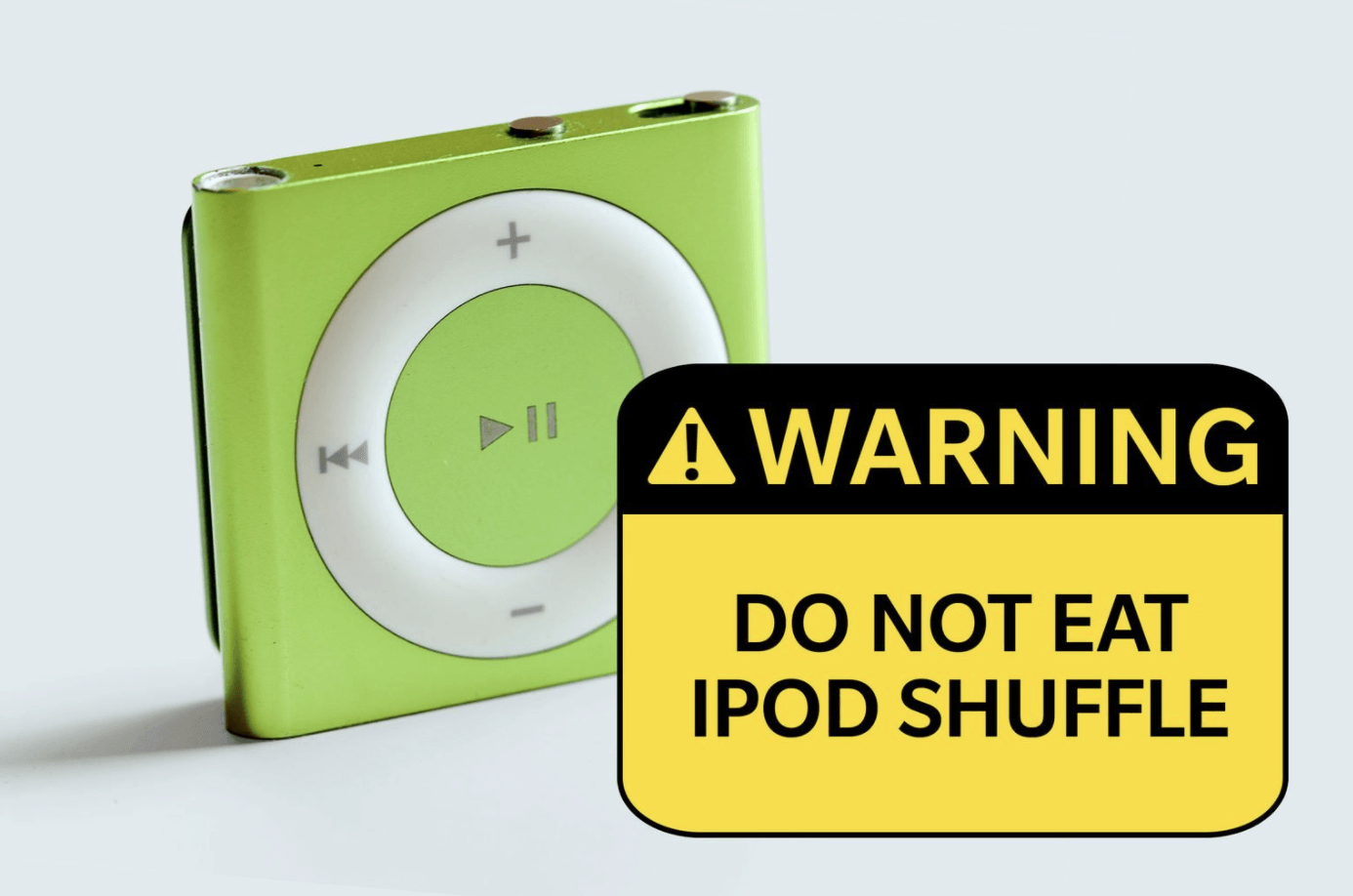
4. Warning label on Apple’s website:
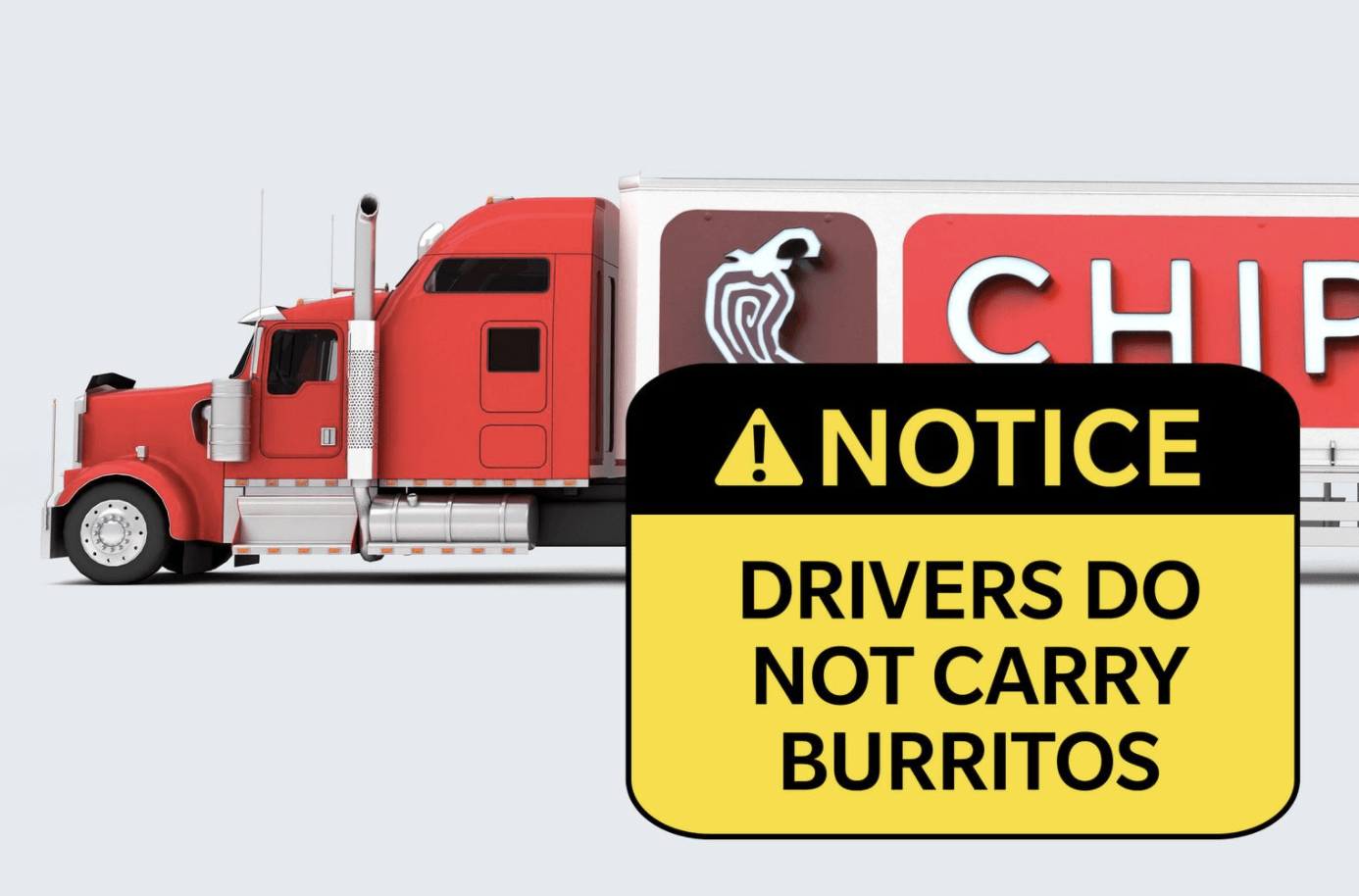
5. Warning label on a Chipotle truck:
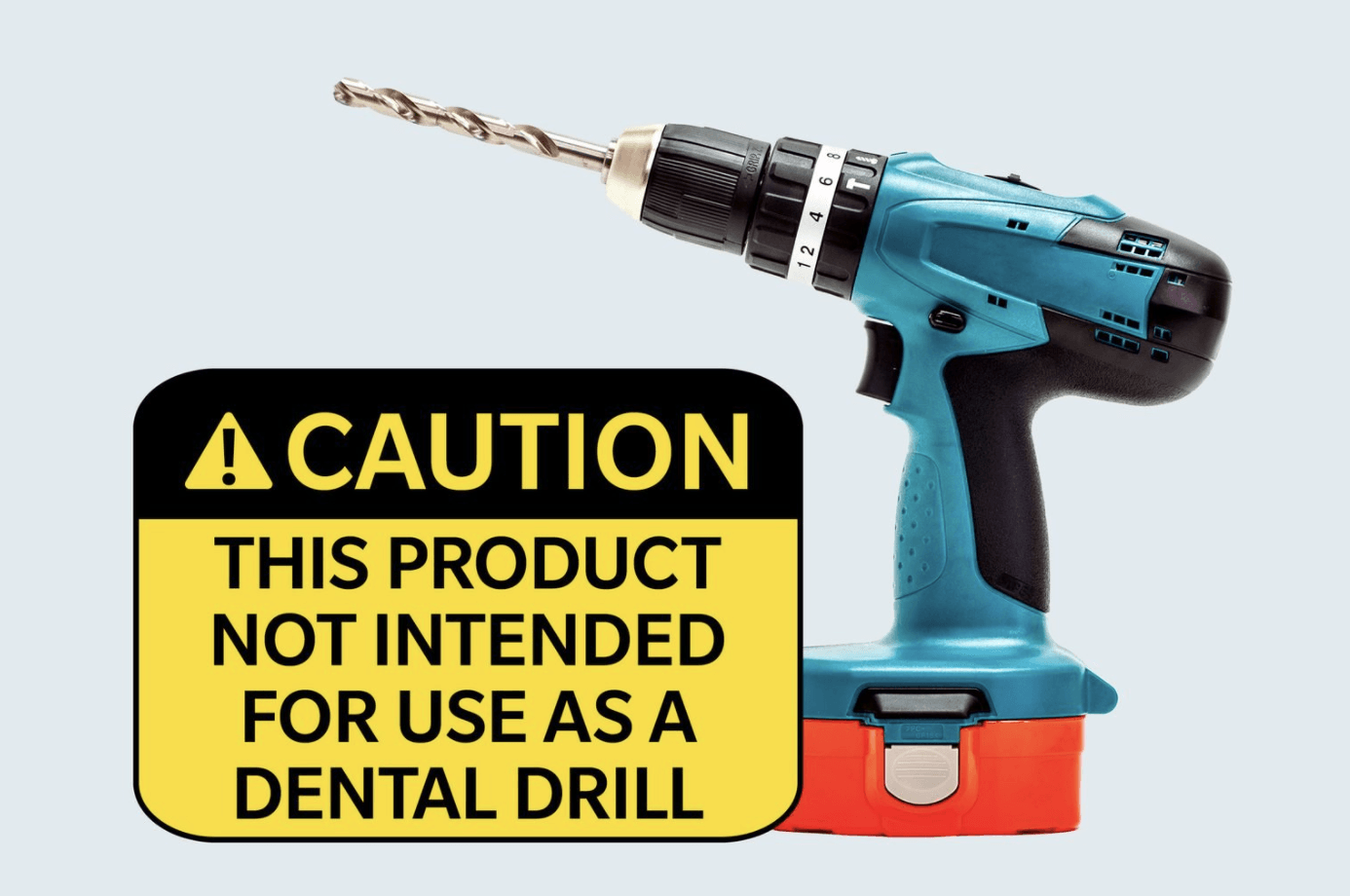
6. Warning label on a carpenter’s electric drill:
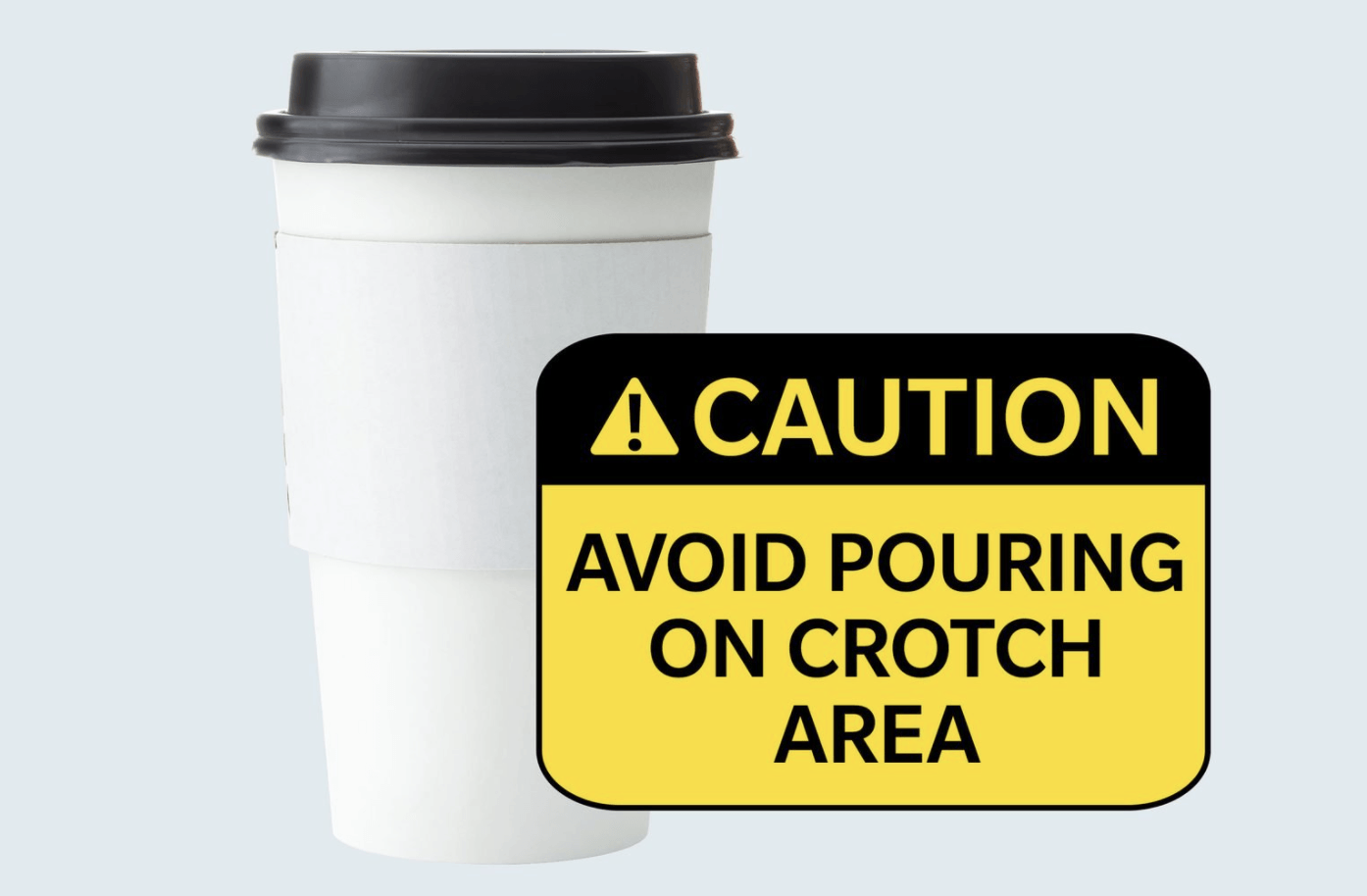
7. Warning label on a takeout coffee cup:
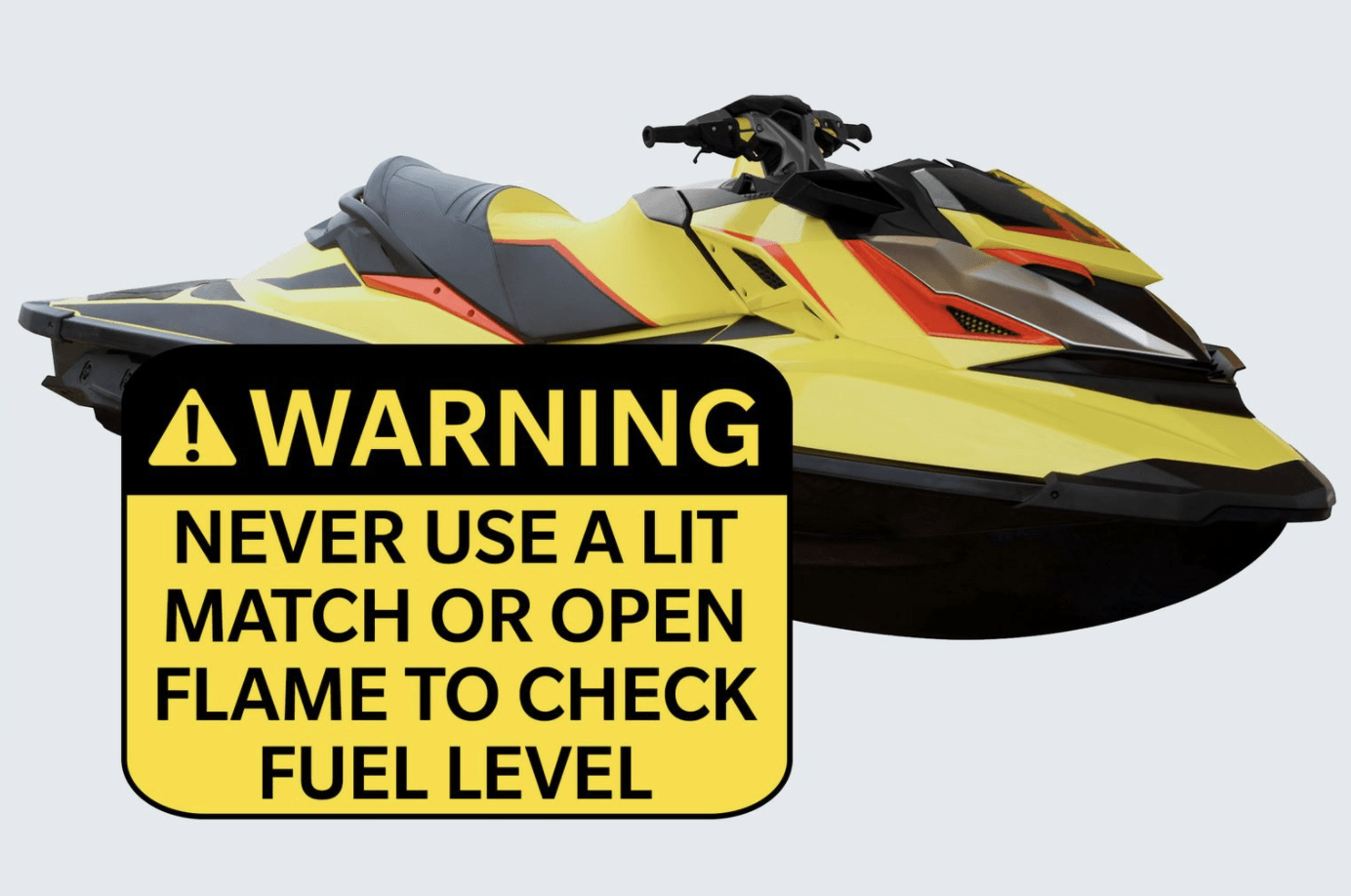
8. Warning label on a jet ski:
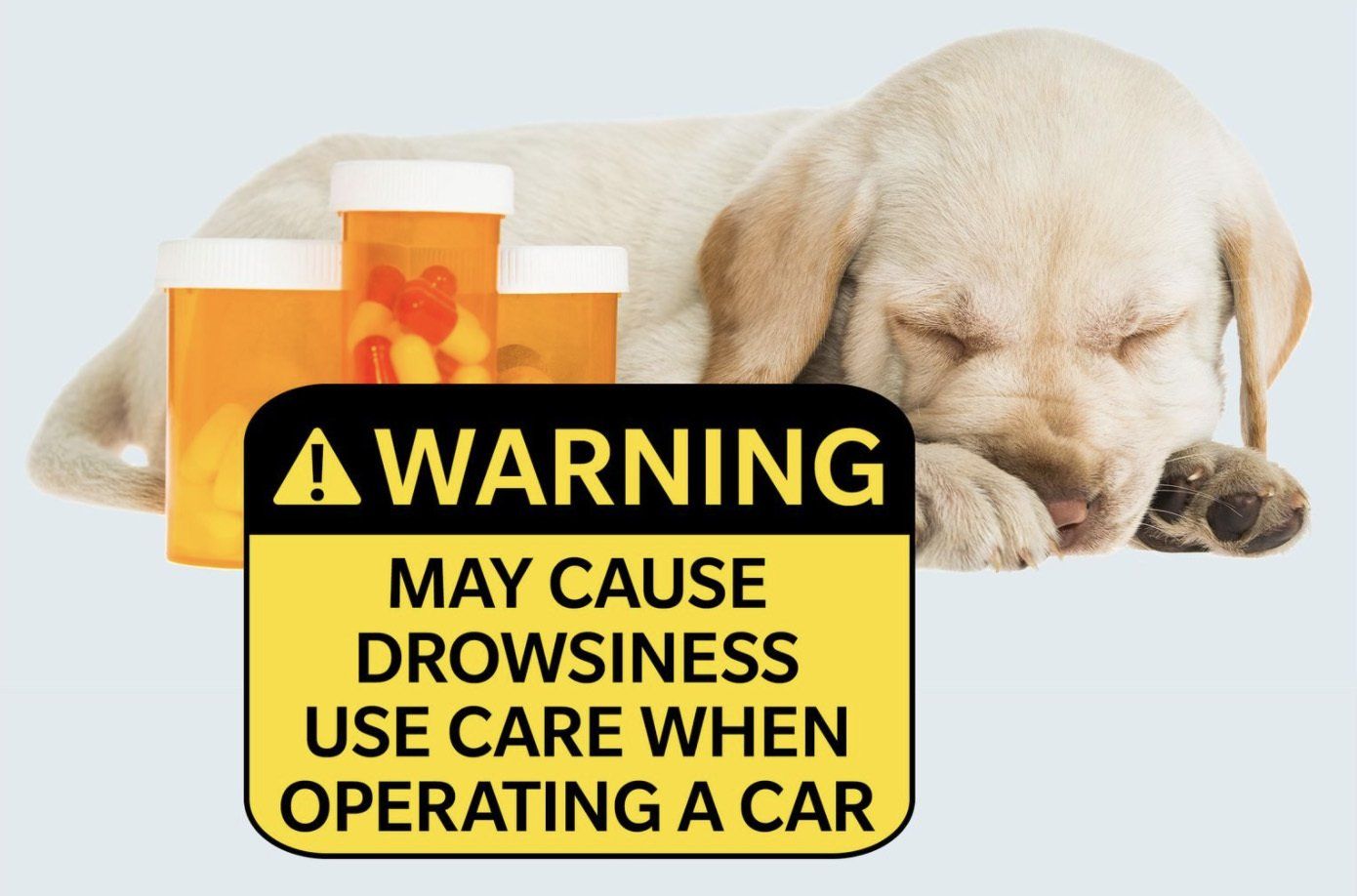
9. Warning label on a bottle of dog medication:
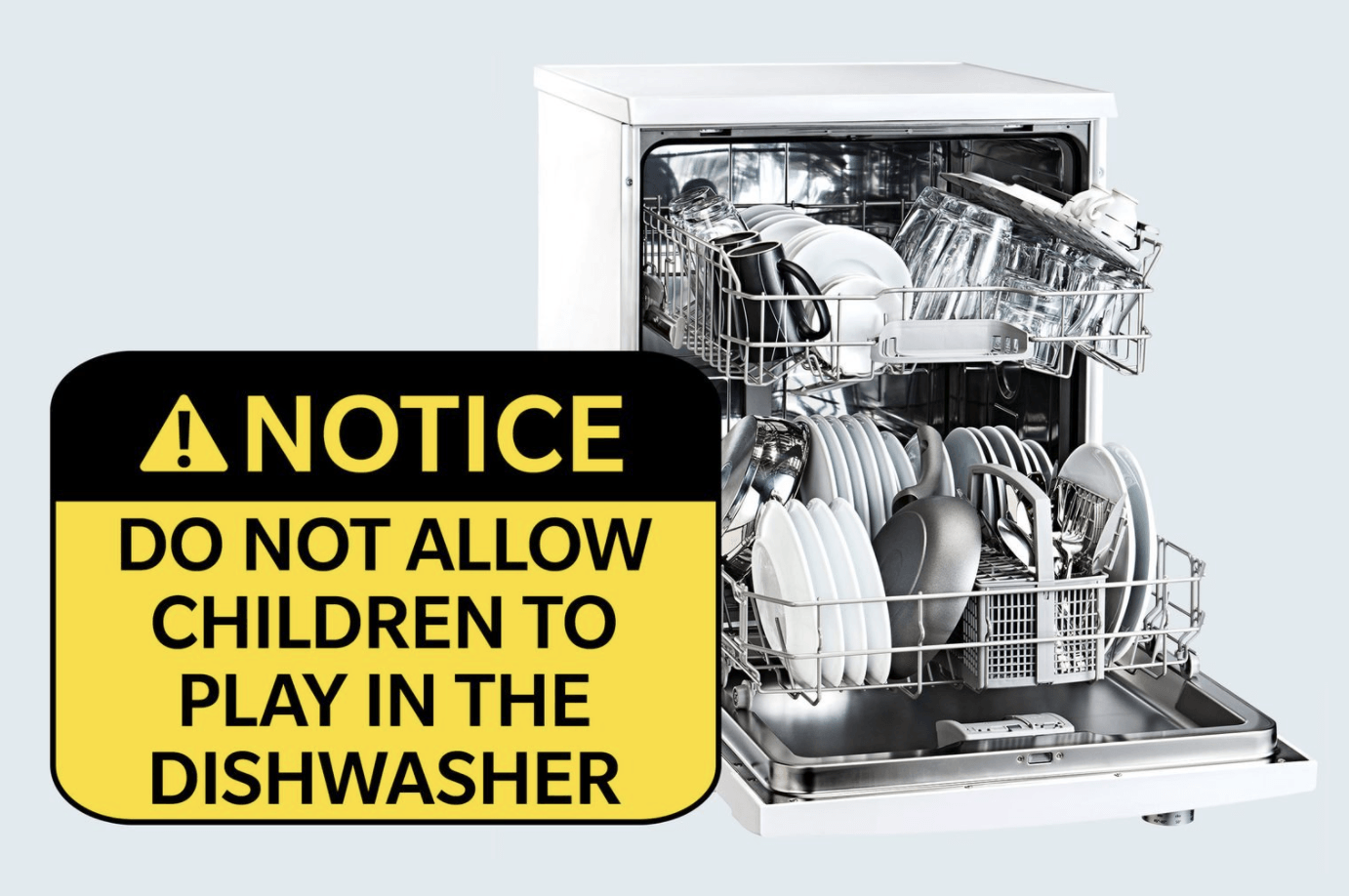
10. Warning label on a dishwasher:
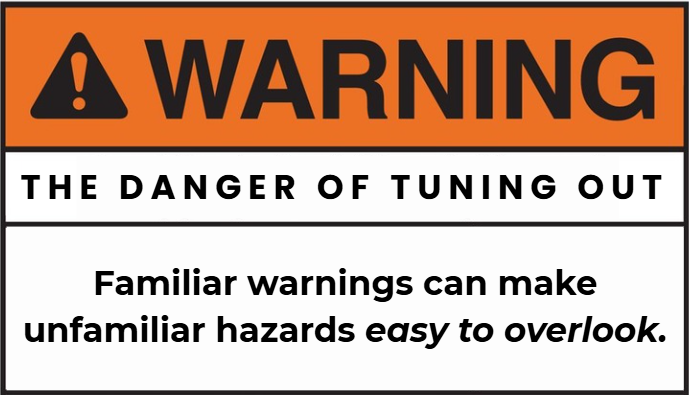
We live in an age of warning labels. They are on ladders, coffee cups, toys, appliances, medications, clothing, furniture and virtually anything else we might buy. Some warnings are essential. Others are so obvious that they have become the stuff of comedy. We have all seen examples: a label on a cup warning that its contents may be hot. A hair dryer carrying a warning not to use it while sleeping. A package of peanuts warning that it contains peanuts. A chainsaw instruction manual cautioning users not to stop the blade with their hands. A Halloween costume warning that it is not fire-resistant. A label on an iron reminding us that the appliance becomes hot when turned on. Then there are warnings that seem to state the painfully obvious: “Do not put your fingers in the fan.” “Do not use a knife to cut yourself.” “This product is not intended to be eaten.” One particularly famous example involved a child’s Superman costume warning that it does not enable the wearer to fly. These warnings can be funny, but they raise a serious question: What happens when consumers become accustomed to treating warnings as jokes? The purpose of a warning is to interrupt ordinary behavior. It is supposed to make us stop, pay attention and recognize a danger that we might otherwise overlook. But if consumers encounter dozens of warnings every day—many concerning hazards that are already obvious—the warning itself can begin to lose its power. Think about the difference between two warnings. The first says: “Caution: Contents hot.” The second says: “This medication can cause potentially dangerous interactions with certain commonly used drugs. Consult a physician or pharmacist before taking it.” The first identifies a hazard virtually everyone understands. (The exception, however, is McDonald’s coffee which exceeds industry norms and is extremely hot, beyond what the average consumer would expect) The second communicates information that many consumers could not possibly know without being told. Yet both may appear in the same visual universe of labels, boxes, inserts and fine print. That creates what might be called warning fatigue . When people repeatedly encounter warnings that seem ridiculous or unnecessary, they may develop the habit of ignoring warnings altogether. The consumer learns, consciously or unconsciously, that “warning” often means “something obvious that lawyers wanted printed on the package.” That is a problem when the next warning really matters.

You probably don't think twice about your morning routine—a swipe of foundation, a coat of mascara, maybe some lipstick before heading out the door. But lurking in many of these everyday products is a class of synthetic chemicals that scientists call "forever chemicals," and their presence in cosmetics has become impossible to ignore.
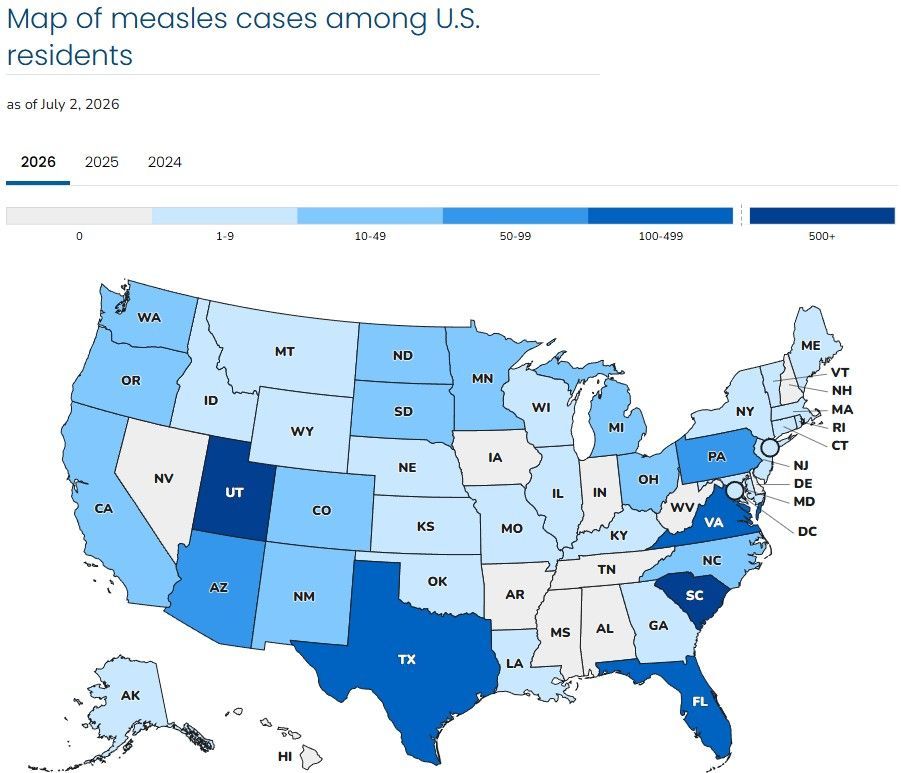
A Grim Milestone for American Public Health We are facing a public health emergency that was entirely preventable. According to updated data from the Centers for Disease Control and Prevention (CDC), the United States has recorded 2,170 confirmed measles cases in 2026—and we are only halfway through the year. This staggering figure nearly matches the 2,289 cases recorded across the entirety of 2025, representing a measles crisis on a scale this country has not seen in over three decades. Measles was declared officially eliminated from the United States in 2000, thanks to robust and widespread uptake of the Measles, Mumps, and Rubella (MMR) vaccine. Today, that monumental achievement is on the verge of being permanently erased.
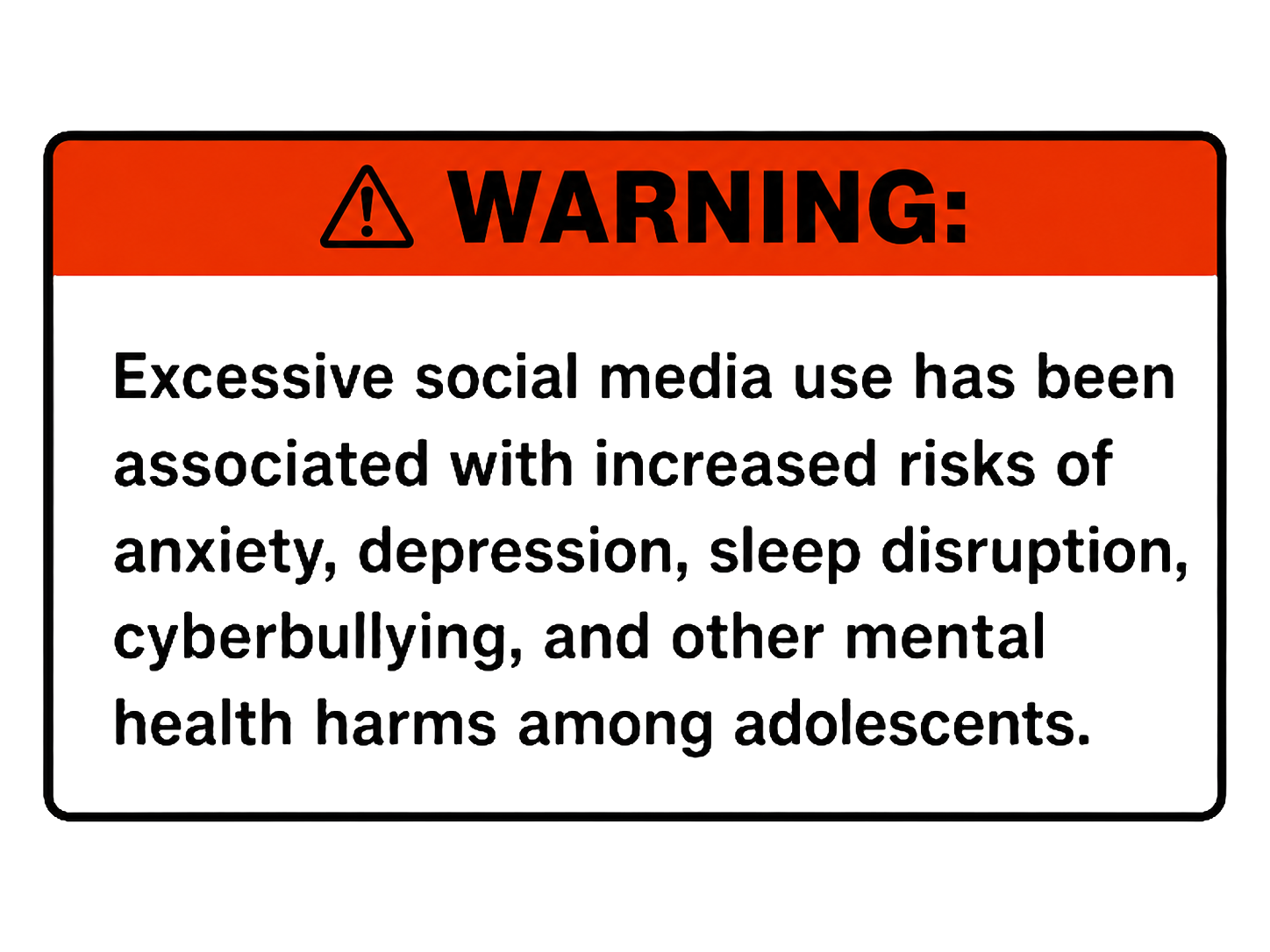
For decades, Americans have relied on warning labels to alert consumers to hidden dangers. Cigarette packages warn of cancer. Alcohol labels caution pregnant women. Medications disclose side effects. Yet one of the most powerful and potentially addictive products used by millions of children every day carries virtually no warning at all: social media. In 2024, as I wrote in the September, 2024 issue of this newsletter, then-U.S. Surgeon General Dr. Vivek Murthy called on Congress to require cigarette-style warning labels on social media platforms, arguing that parents and children deserve to know that excessive use has been linked to anxiety, depression, body image problems, sleep disruption, and other mental health concerns. He stated that social media had become an important contributor to the youth mental health crisis and that warning labels could help increase awareness among families. Unfortunately, that proposal has stalled under the new administration. The opportunity to provide parents with basic health information appears to have been abandoned just as evidence of social media's harmful effects continues to mount.
Artificial intelligence (AI) is rapidly reshaping the landscape of healthcare, particularly in the realm of medical diagnosis. From analyzing medical images to predicting disease risk, AI-driven tools are increasingly being integrated into clinical workflows. While the potential benefits are substantial—improved accuracy, faster diagnoses, and expanded access to care—there are also meaningful risks that warrant careful scrutiny. Understanding both sides is essential for clinicians, policymakers, and patients alike.

Lithium-ion batteries power much of modern life. From smartphones and laptops to e-bikes, power tools, and even home energy storage systems, these compact and efficient batteries are everywhere. But as their use has expanded, so too has a serious and often underestimated danger: the risk of fire. Lithium-ion battery fires are not like typical household fires. They burn hotter, spread faster, and can reignite even after appearing to be extinguished. These fires are caused by a process known as “thermal runaway,” where damage, overheating, or internal defects trigger a chain reaction inside the battery. Once this process begins, it can release flammable gases, cause explosions, and produce intense flames that are difficult to control.

1. Weakening National Drinking Water Standards In April 2024, the EPA finalized the first federally enforceable National Primary Drinking Water Rule (NPDWR) for six PFAS, including PFOA, PFOS, PFHxS, PFNA, HFPO-DA (GenX), PFBS, and mixtures of these chemicals. These rules established maximum contaminant levels (MCLs) and required monitoring and treatment timelines for public water systems. Under Trump's EPA, this landmark public health rule is being undone :
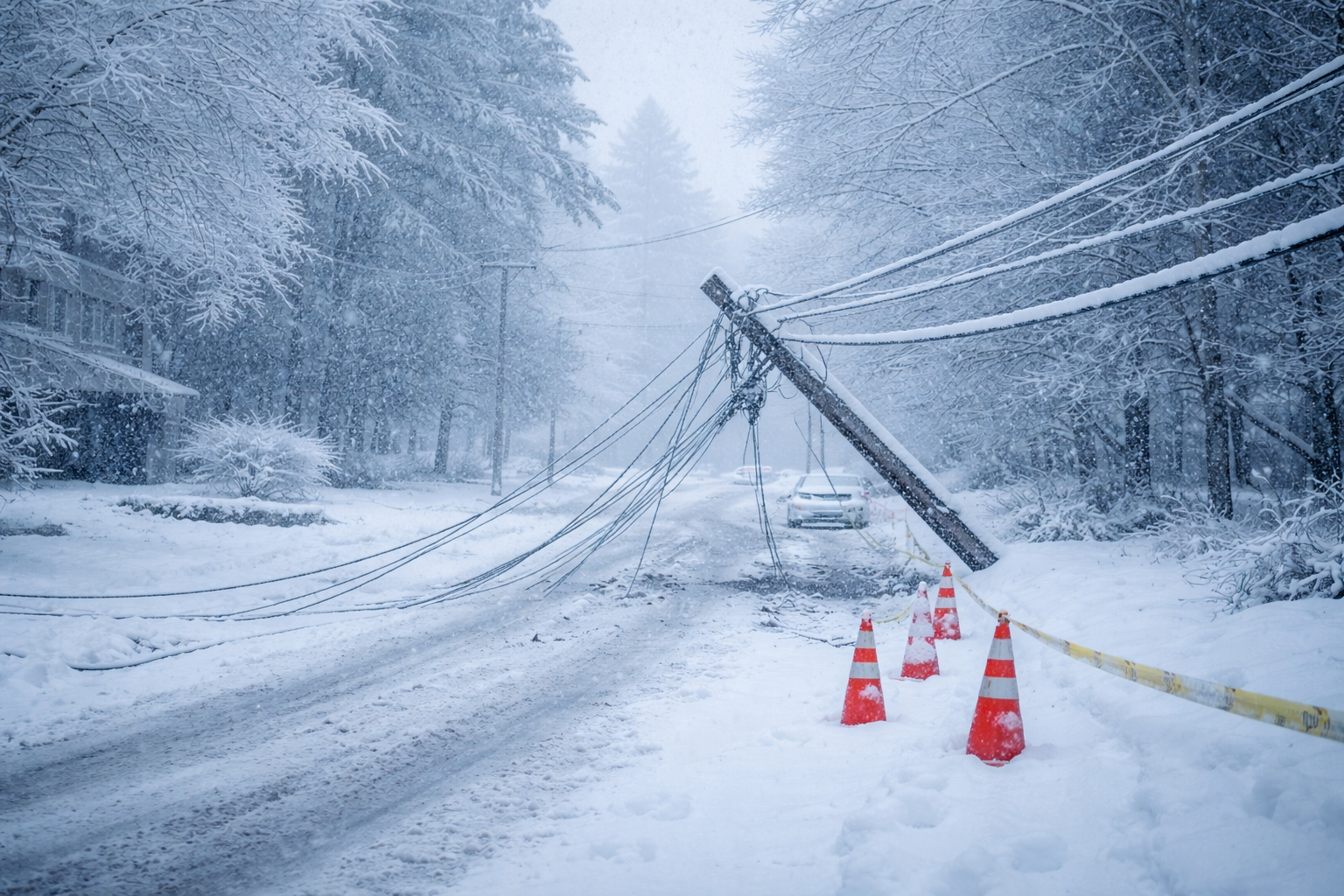
Winter in the Northern Hemisphere brings cold weather, snow, and often severe storms. These conditions can lead to power outages that last hours or even days. When electricity is lost and temperatures plummet, many households turn to alternative heating methods or portable power generators. While these actions are understandable, they can expose families to a perilous and often invisible threat: carbon monoxide (CO) poisoning .

As Thanksgiving approaches, kitchens across the country are about to come alive with the sounds and smells of holiday cooking. While this season brings family, gratitude, and plenty of delicious food, it also comes with a serious and often overlooked risk: foodborne illness. In the U.S., Salmonella and Listeria remain two of the most dangerous and persistent causes of food poisoning—especially during the holidays, when increased food preparation, crowded refrigerators, and large holiday meals create ideal conditions for bacterial growth.Whether you’re hosting your first Thanksgiving dinner or you’re a seasoned holiday chef, brushing up on a few key food safety practices can help you keep your loved ones healthy and your celebration memorable for all the right reasons.

The race to develop autonomous vehicles (AVs) has reached a pivotal moment. Alphabet-owned Waymo, widely regarded as the frontrunner in the field, has rolled out fully driverless taxis in Phoenix, San Francisco, and Los Angeles, with plans to expand to additional cities. But as more Waymo vehicles hit public roads without human drivers, the question looms large: Are they truly safer than the people they’re replacing behind the wheel?