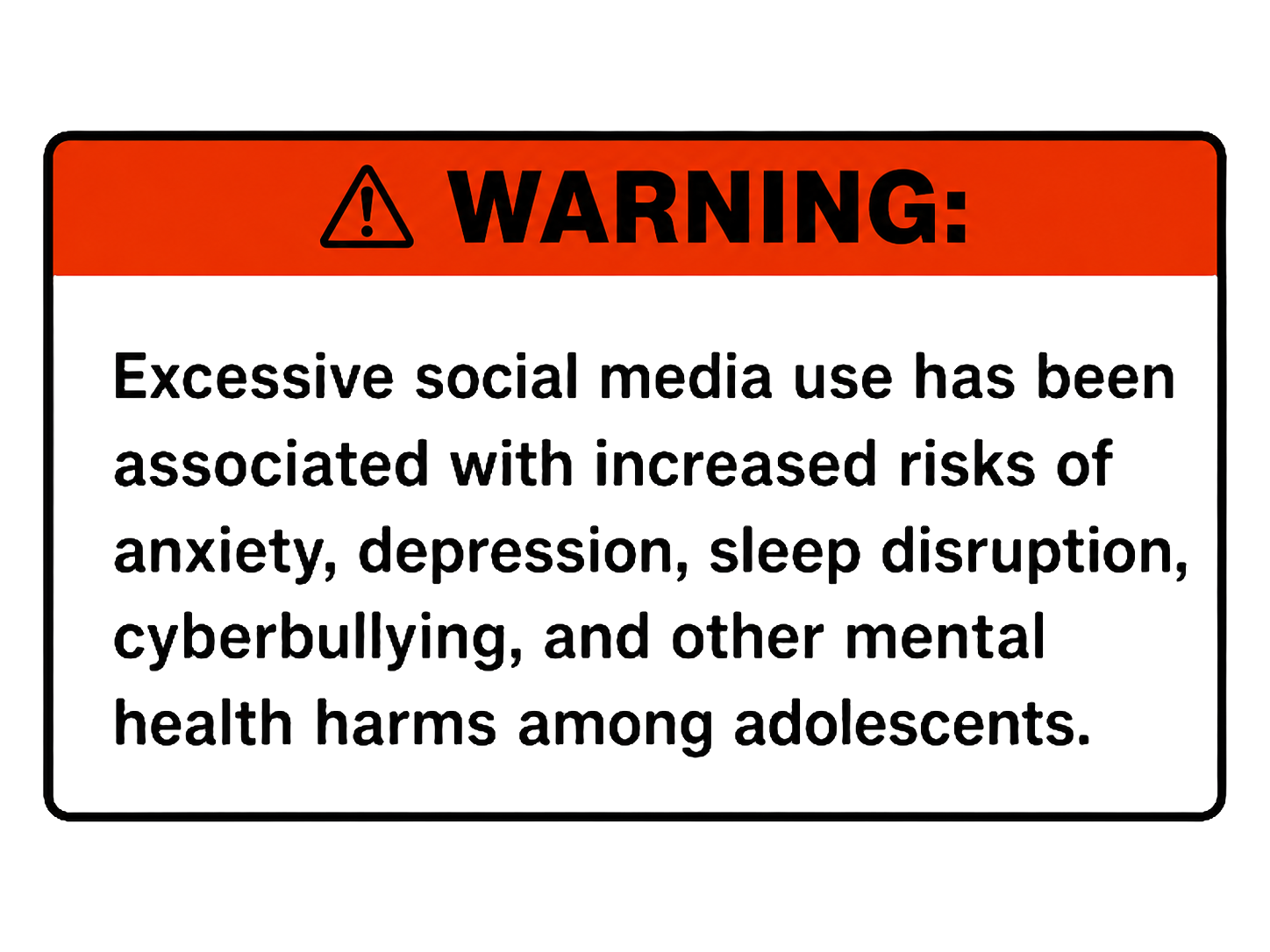


WHEN WARNING LABELS BECOME THE WARNING
We live in an age of warning labels. They are on ladders, coffee cups, toys, appliances, medications, clothing, furniture and virtually anything else we might buy. Some warnings are essential. Others are so obvious that they have become the stuff of comedy.
We have all seen examples: a label on a cup warning that its contents may be hot. A hair dryer carrying a warning not to use it while sleeping. A package of peanuts warning that it contains peanuts. A chainsaw instruction manual cautioning users not to stop the blade with their hands. A Halloween costume warning that it is not fire-resistant. A label on an iron reminding us that the appliance becomes hot when turned on.
Then there are warnings that seem to state the painfully obvious: “Do not put your fingers in the fan.” “Do not use a knife to cut yourself.” “This product is not intended to be eaten.” One particularly famous example involved a child’s Superman costume warning that it does not enable the wearer to fly.
These warnings can be funny, but they raise a serious question: What happens when consumers become accustomed to treating warnings as jokes?
The purpose of a warning is to interrupt ordinary behavior. It is supposed to make us stop, pay attention and recognize a danger that we might otherwise overlook. But if consumers encounter dozens of warnings every day—many concerning hazards that are already obvious—the warning itself can begin to lose its power.
Think about the difference between two warnings.
The first says: “Caution: Contents hot.”
The second says: “This medication can cause potentially dangerous interactions with certain commonly used drugs. Consult a physician or pharmacist before taking it.”
The first identifies a hazard virtually everyone understands. (The exception, however, is McDonald’s coffee which exceeds industry norms and is extremely hot, beyond what the average consumer would expect) The second communicates information that many consumers could not possibly know without being told.
Yet both may appear in the same visual universe of labels, boxes, inserts and fine print.
That creates what might be called warning fatigue. When people repeatedly encounter warnings that seem ridiculous or unnecessary, they may develop the habit of ignoring warnings altogether. The consumer learns, consciously or unconsciously, that “warning” often means “something obvious that lawyers wanted printed on the package.”
That is a problem when the next warning really matters.
Consider food allergies. A person who has never encountered a particular ingredient may have no reason to know that it is present in a product. Consider medication labels warning about interactions, contraindications or serious side effects. Consider a power tool whose danger comes not from its obvious moving parts but from an unexpected phenomenon such as kickback. Consider a cleaning product whose seemingly harmless combination with another household chemical can produce toxic fumes.
Those are precisely the hazards for which warnings are most valuable: the hazards consumers cannot reasonably be expected to know on their own.
There is an important distinction here. The answer is not to eliminate warnings simply because they seem obvious. Manufacturers have legitimate reasons to warn about foreseeable misuse, and what seems obvious to one person may not be obvious to another. Children, elderly consumers and people unfamiliar with a particular product may benefit from warnings that experienced users consider unnecessary.
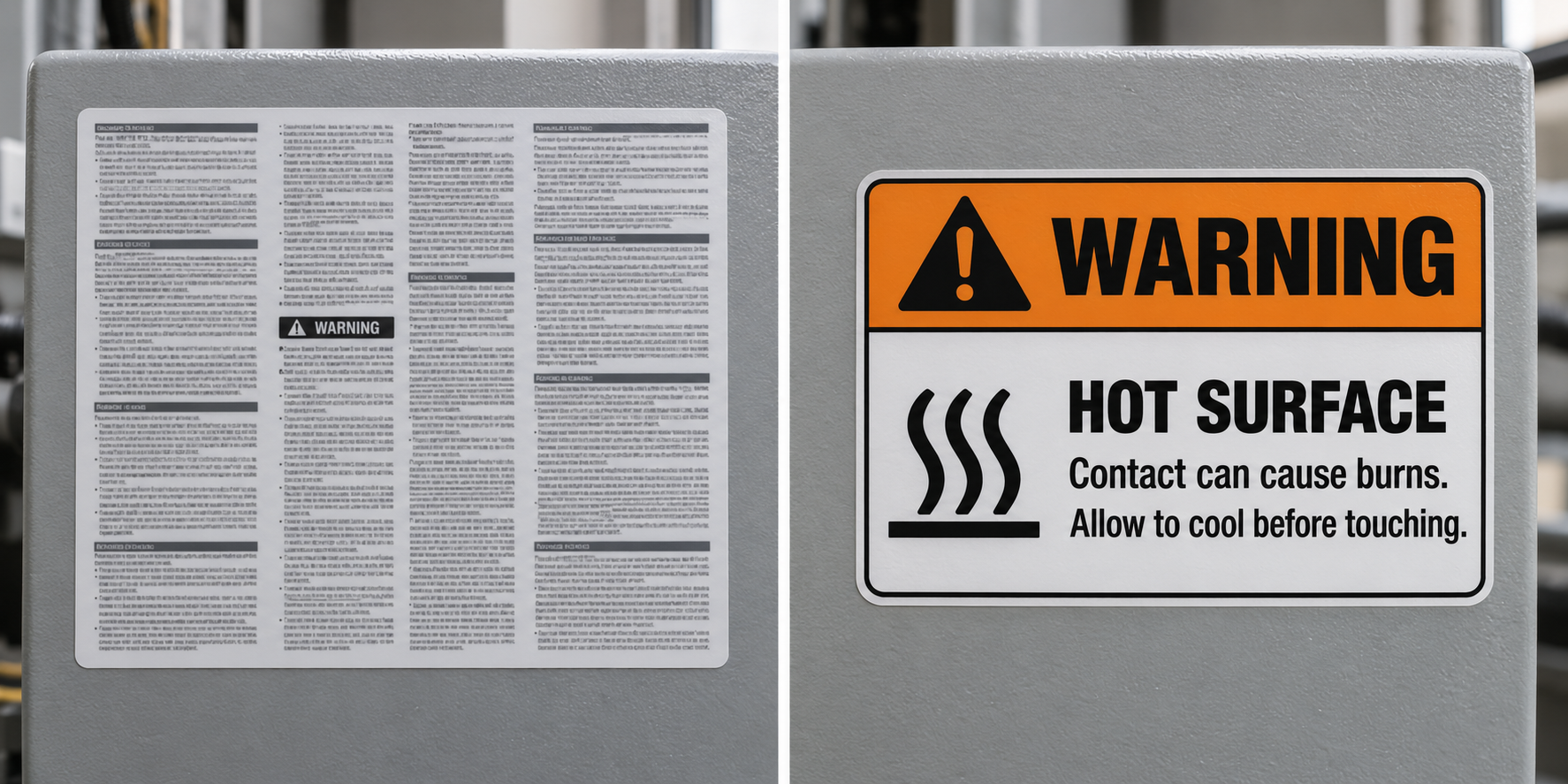
The real issue is whether we have confused legal completeness with effective communication.
A warning system should not merely protect a manufacturer by documenting that every conceivable caution was printed somewhere on the package. It should help consumers identify the risks that deserve their attention.
Imagine a highway covered with hundreds of signs saying “Road Ahead,” “Cars May Be Present,” “Do Not Drive Off the Road,” and “Windshield May Become Dirty.” After seeing those signs every few seconds, would drivers pay close attention when they finally encountered one saying “Bridge Ahead—Lane Ends in 500 Feet”?
Probably not.
Warnings work best when consumers believe that warnings contain information worth noticing.
That means manufacturers, regulators and lawyers should ask a different question: not simply “Could someone possibly misunderstand this?”, but “Is this warning communicating information the consumer genuinely needs to know?”
A good warning should identify a meaningful hazard, explain it clearly and attract attention when attention matters.
The goal shouldn't be fewer warnings for the sake of fewer warnings. It should be better warnings—warnings that consumers learn to respect because they consistently provide useful information.
After all, a warning label has failed if people read it and laugh when they should be paying attention.